Why More Buyers Are Starting To Reconsider New Construction Homes
Rising utility costs, builder incentives, and lower maintenance expenses are causing more buyers to reconsider the long-term value of new construction homes.
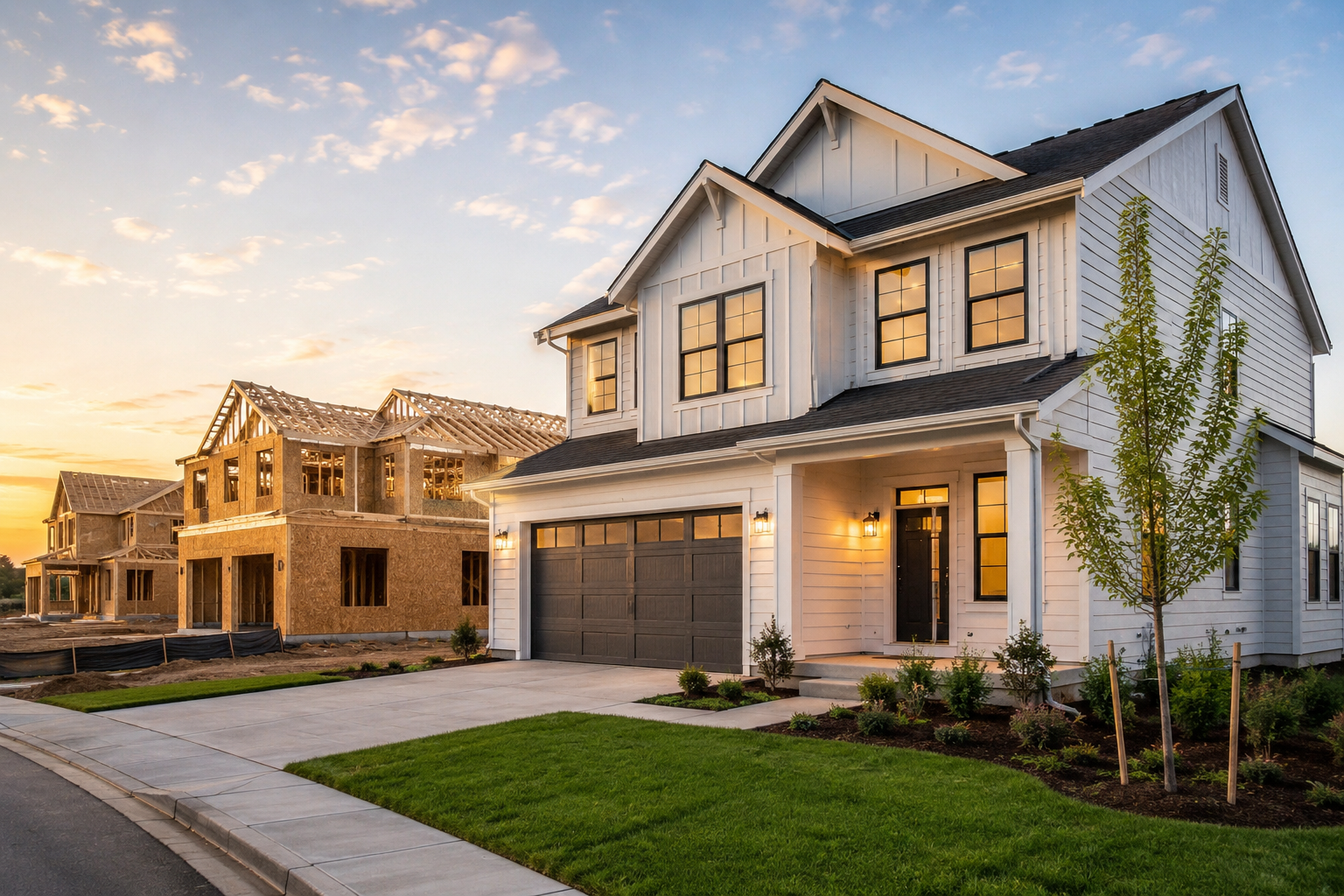
For years, many homebuyers automatically assumed that older homes were the better financial deal.
Lower purchase price.
Established neighborhoods.
More square footage.
More character.
But in today’s housing market, that equation is starting to change.
A growing number of buyers are realizing that the true cost of owning a home goes far beyond the purchase price — and that’s one of the biggest reasons new construction homes are gaining attention again.
At Kap Rate Living, we’re seeing more buyers carefully evaluate not just what a home costs to buy, but what it costs to own over the next 5 to 10 years.
And surprisingly, newer homes may actually make more financial sense than many people realize.
The “Cheaper” Home Isn’t Always Cheaper
Many older homes appear more affordable upfront because the list price is lower.
But what buyers sometimes overlook are the long-term ownership costs that come with aging systems and outdated construction.
Things like:
older HVAC systems
aging roofs
outdated windows
poor insulation
higher utility bills
maintenance surprises
appliance replacements
insurance concerns
Those expenses can quietly add thousands of dollars to the true cost of ownership over time.
Meanwhile, many new-construction homes are being built with:
energy-efficient systems
better insulation
modern windows
updated building standards
smart-home technology
newer appliances
lower maintenance requirements
That can significantly reduce monthly operating costs and future repair expenses.
Rising Utility Costs Are Changing Buyer Psychology
One of the biggest reasons this conversation matters more today is because utility costs continue rising across the country.
Electricity, insurance, maintenance, and home repair costs have all become larger financial pressures for homeowners over the past several years.
As those costs rise, efficiency becomes more valuable.
A home that saves a family money every single month through lower energy usage may end up creating major long-term savings — especially over a 10-year ownership period.
For many buyers, this is changing how they define affordability.
Instead of focusing only on:
“What’s the monthly mortgage payment?”
They’re also asking:
“What will this house actually cost me to live in?”
That’s a major shift in today’s market.
Builder Incentives Are Quietly Becoming A Huge Advantage
Another reason buyers are reconsidering new construction is because builders are becoming far more aggressive with incentives.
In many markets today, builders are offering:
mortgage rate buydowns
closing cost assistance
appliance packages
warranty coverage
flexible financing incentives
Some buyers are even securing mortgage rates significantly lower than what’s currently available on traditional resale homes.
That difference can dramatically impact affordability.
Even a 1% lower interest rate can save homeowners hundreds of dollars per month and tens of thousands of dollars over the life of a loan.
For buyers who were previously priced out of the market, builder incentives are becoming one of the few ways to regain purchasing power.
New Construction Also Offers Something Buyers Value More Today: Predictability
In uncertain economic environments, predictability becomes valuable.
Many buyers today are nervous about surprise expenses.
They don’t want to move into a home and immediately face:
a roof replacement
HVAC failure
plumbing problems
rising maintenance costs
expensive electrical upgrades
New construction homes often provide a stronger sense of financial certainty during the early years of ownership.
Builder warranties, newer systems, and reduced maintenance risks can create peace of mind that many buyers are willing to pay for.
Especially in a market where household budgets already feel stretched.
This Doesn’t Mean Older Homes Are Bad Investments
Older homes can still offer tremendous value.
Many established neighborhoods provide:
larger lots
mature landscaping
unique architecture
desirable locations
renovation upside
long-term appreciation potential
But buyers today are becoming more strategic.
Instead of automatically chasing the lowest purchase price, many are evaluating:
long-term operating costs
maintenance exposure
financing opportunities
insurance implications
energy efficiency
future repair risks
And that’s changing the conversation around affordability entirely.
What Buyers Should Take Away From This
The housing market is evolving.
Affordability today is no longer just about the sticker price of the home.
It’s about:
monthly carrying costs
long-term ownership expenses
energy efficiency
financing structure
maintenance risk
lifestyle flexibility
For some buyers, a new-construction home may actually create more financial breathing room over time — even if the upfront purchase price is slightly higher.
At Kap Rate Living, we believe buyers should look at the full picture before making a decision. Every situation is different, and understanding both the short-term and long-term costs of ownership can help buyers make smarter, more confident moves in today’s market.
To learn more, visit [https://kaprateliving.com*] and explore how our team is helping buyers navigate today’s changing housing market.*
This article was inspired by recent housing market reporting and ownership cost analysis discussed by Realtor.com.