What Are Build-to-Rent Homes, and Are They Right for You?
Build-to-rent communities offer the space and privacy of a single-family home without the mortgage or maintenance responsibilities of ownership. Here’s how they work and what renters should consider before moving into one.
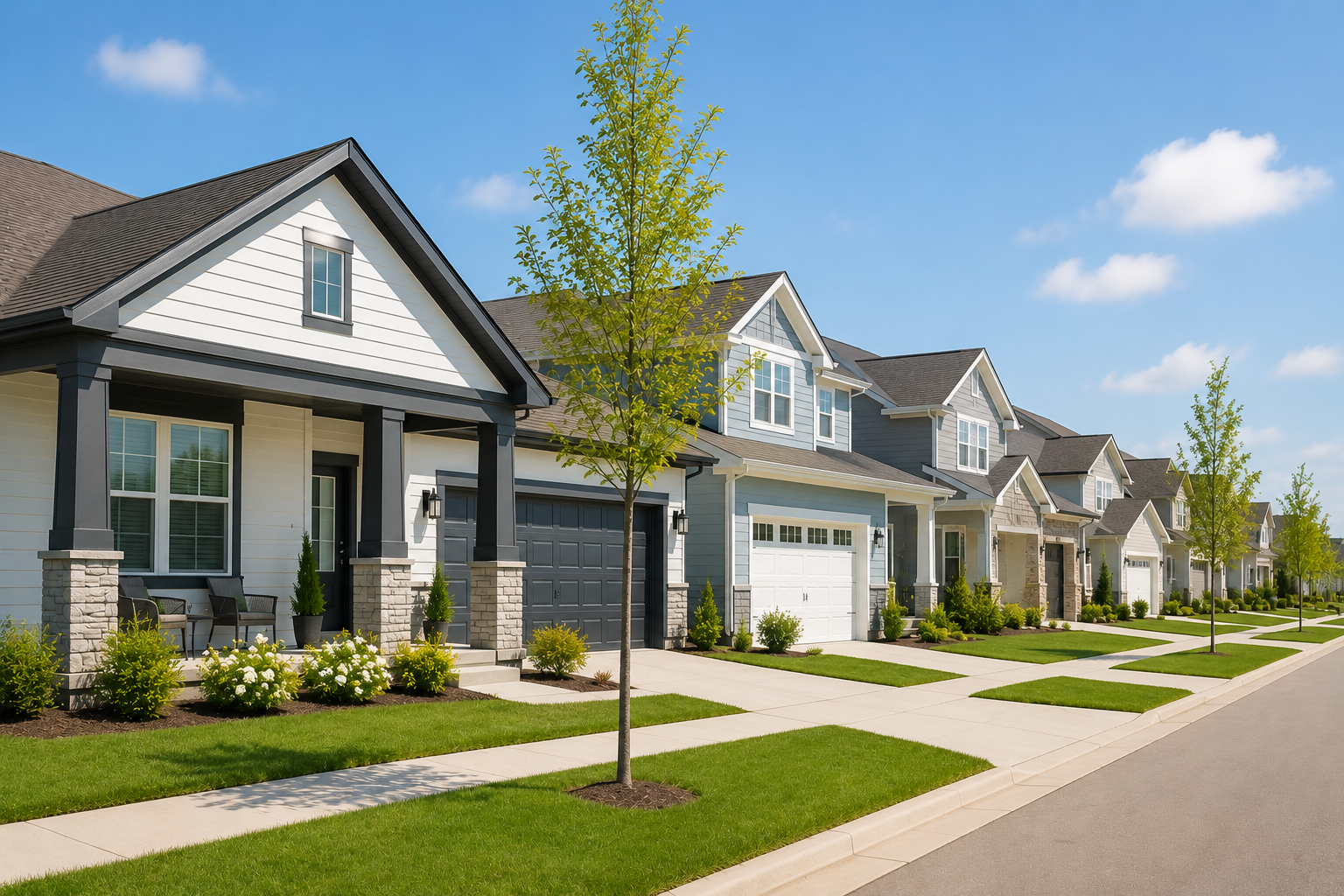
What Are Build-to-Rent Homes, and Why Are They So Popular?
Build-to-rent communities have become a much bigger part of the housing market in recent years.
They are designed for people who want the space, privacy, and feel of a single-family home without actually buying one.
Instead of purchasing a house, residents rent a home in a professionally managed neighborhood that may include amenities, maintenance services, and shared community spaces.
For some renters, that can feel like a middle ground between apartment living and homeownership.
What Is Build-to-Rent?
Build-to-rent, often shortened to BTR, generally refers to single-family homes that are built specifically to be rented rather than sold.
These homes are often grouped together in large communities owned or managed by a real estate company.
The setup can feel similar to an apartment complex, but instead of individual apartment units, residents may live in detached houses, duplexes, row homes, or other low-density housing.
Property management typically handles leasing, maintenance, repairs, landscaping, and community amenities.
What Do Build-to-Rent Communities Look Like?
There is no single design.
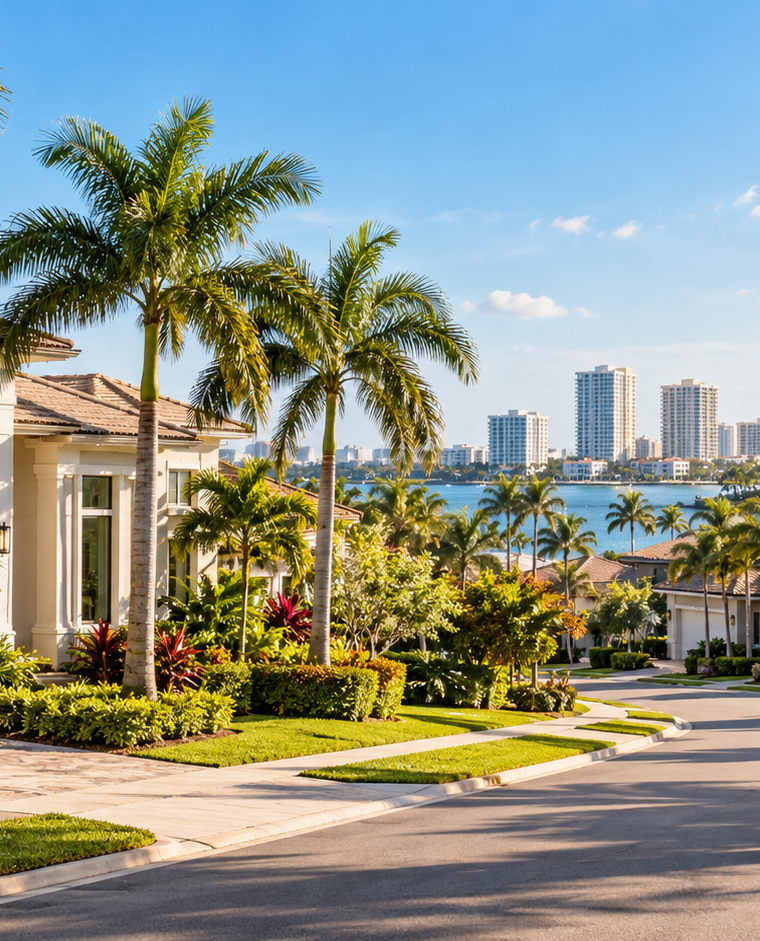
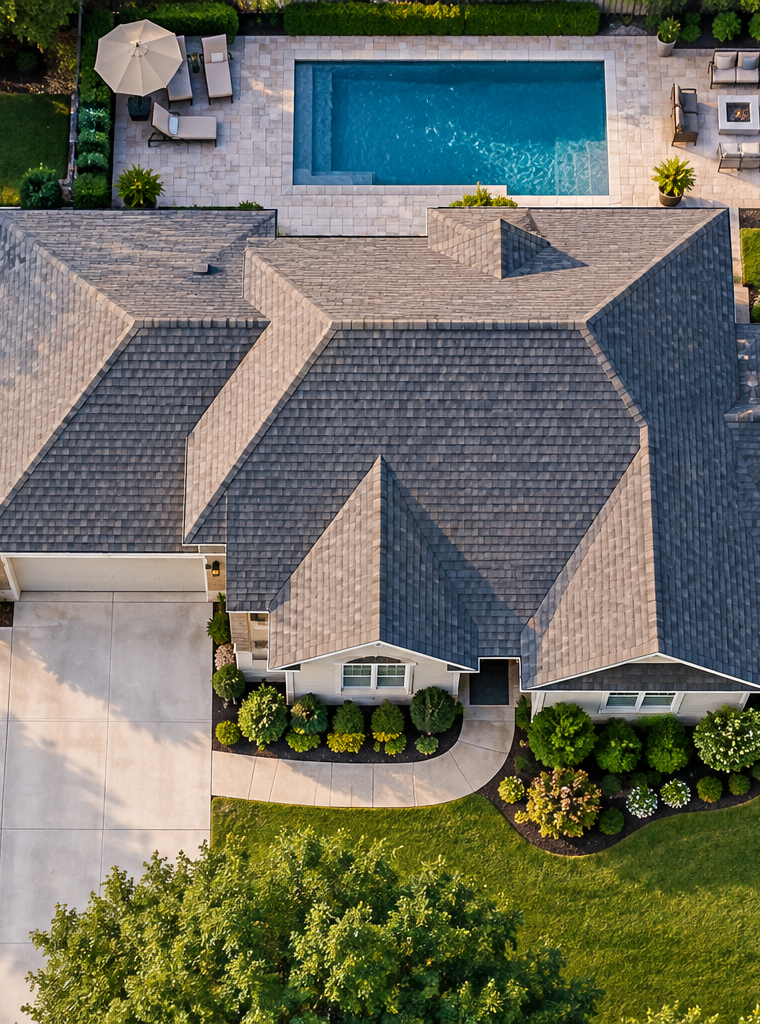
Some communities are made up of detached single-family homes with private yards.
Others include smaller homes built close together, duplexes, townhome-style layouts, or properties with shared walls.
Many are designed to resemble traditional suburban neighborhoods.
The difference is that residents are renters rather than owners.
Why Are Build-to-Rent Homes Becoming More Popular?
One of the biggest reasons is affordability.
Buying a home can require a significant down payment, closing costs, mortgage qualification, insurance, taxes, and ongoing maintenance.
For renters who want more space but are not ready or able to purchase, build-to-rent homes can provide another option.
They may also appeal to people who want flexibility.
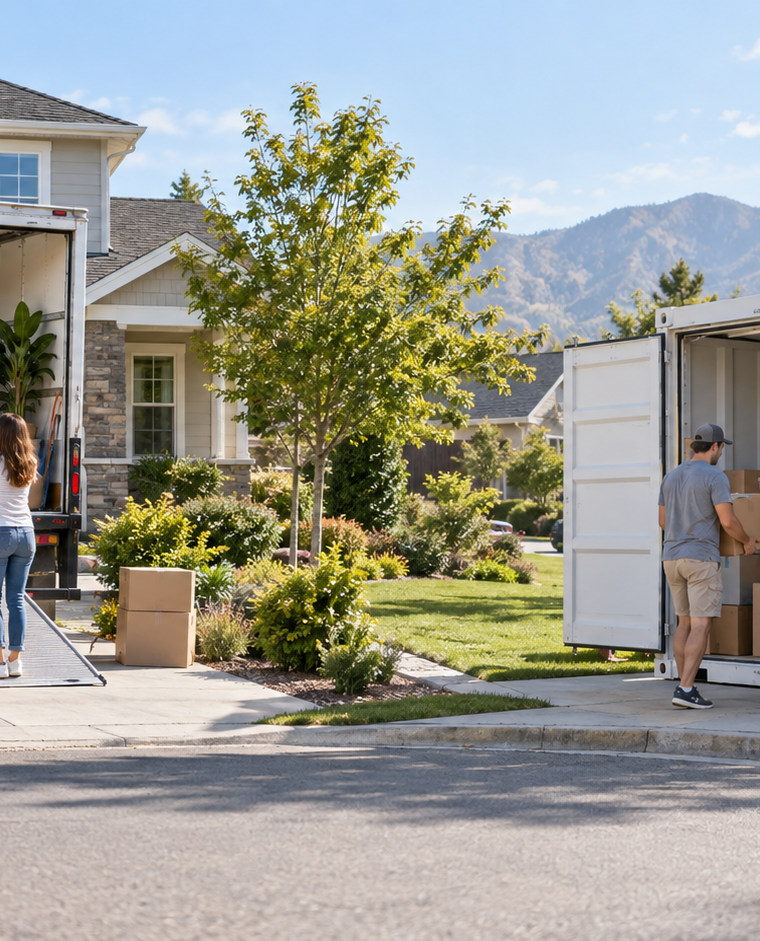
Someone relocating for work, trying out a new area, or simply not ready to make a long-term commitment may prefer renting a house instead of buying one.
You Get More of a Single-Family Home Experience
Compared with many apartments, build-to-rent homes often offer more privacy.
You may have your own entrance, additional bedrooms, more storage, a garage, outdoor space, or fewer shared walls.
That can make them attractive to families, pet owners, remote workers, or anyone who wants more room without becoming a homeowner.
Maintenance Is Usually Someone Else’s Responsibility
One of the biggest conveniences of renting is avoiding many of the major maintenance expenses associated with ownership.
In a build-to-rent community, the property owner or management company typically handles repairs and maintenance.
If the roof needs work, an appliance breaks, or the HVAC system has a problem, the renter generally reports the issue rather than paying for the full replacement.
That can make monthly expenses feel more predictable.
Amenities Can Be a Major Draw
Many build-to-rent communities include shared amenities similar to those found in newer apartment complexes.
Depending on the development, residents may have access to pools, fitness centers, dog parks, playgrounds, walking trails, clubhouses, or community gathering areas.
That can give renters access to neighborhood-style living without personally maintaining those amenities.
You Do Not Build Equity
The biggest difference between renting and owning remains the same.
Rent payments do not create ownership in the property.
When you pay a mortgage, part of that payment may help build equity over time.
When you rent, the monthly payment gives you the right to live in the property, but you do not gain an ownership interest.
For someone whose long-term goal is homeownership, that tradeoff is worth considering.
Rent Can Change Over Time
Homeowners with fixed-rate mortgages may have more predictable principal and interest payments.
Renters do not have that same level of long-term certainty.
When a lease ends, rent may increase based on market conditions and the property owner’s pricing.
That can make long-term budgeting more difficult.
Before choosing a build-to-rent home, it is worth looking at both the current rent and how comparable rents in the area have changed over time.
There May Be Less Room to Customize
Because you do not own the home, major renovations are generally not an option.
The property may feel more private than an apartment, but renters still have to follow lease rules.
Painting, installing fixtures, changing landscaping, or making other modifications may require permission.
If customization and long-term renovation are important to you, ownership may eventually be a better fit.
Corporate Management Can Feel Different
Many build-to-rent neighborhoods are operated by professional property management companies.
That can be a benefit because there may be dedicated maintenance teams, online portals, and standardized processes.
The tradeoff is that renters may have less flexibility when negotiating rent, lease terms, or certain policies than they might have with an individual landlord.
Build-to-Rent Is Different From Rent-to-Own
These two terms are easy to confuse.
A build-to-rent home is generally intended to remain a rental.
Living there does not normally give the tenant the right to purchase the property later.
A rent-to-own agreement is different.
With rent-to-own, the renter may have an option or obligation to purchase the home after a specific period.
The contract may also include additional fees or payments connected to the future purchase.
Anyone considering either arrangement should carefully review the terms before signing.
Is Build-to-Rent More Affordable Than Buying?
It depends on the local market and your financial situation.
In some areas, renting a single-family home may cost less each month than purchasing a similar home with a mortgage, particularly when you factor in a down payment, property taxes, insurance, and maintenance.
However, buying can provide long-term benefits that renting does not, including equity and greater control over the property.
The best comparison should look beyond the monthly payment.
Consider upfront costs, expected length of stay, rent increases, maintenance, taxes, insurance, and the long-term value of building equity.
Build-to-Rent Can Be Useful Before Buying
For some renters, BTR can serve as a trial run for homeownership.
You get to experience living in a single-family home without immediately taking on the financial responsibility of owning one.
It can also give you a chance to learn whether you like a specific neighborhood, city, or lifestyle before making a larger commitment.
That flexibility can be valuable for buyers who know they want a home eventually but are not ready yet.
Why Build-to-Rent Has Become Controversial
Build-to-rent has also become part of a larger discussion about housing supply and affordability.
Critics argue that land used for rental communities could potentially have been developed into homes for individual buyers.
There are also broader concerns about the role of institutional investors in the housing market.
Supporters point out that build-to-rent projects add new housing units rather than simply purchasing existing homes, and that additional housing supply can still help meet strong demand.
The debate reflects a larger housing challenge: many communities simply need more homes of different types and price points.
Is a Build-to-Rent Home Right for You?
A build-to-rent home may make sense if you want more space and privacy than an apartment but are not ready to purchase.
It can also be appealing if you value low-maintenance living, community amenities, flexibility, and a single-family home environment.
On the other hand, if your main goal is building equity, customizing your home, or locking in a long-term housing payment, buying may be more attractive.
The Bottom Line
Build-to-rent homes offer a different way to experience single-family living.
They can provide more space, privacy, and amenities than many traditional rentals while allowing residents to avoid the maintenance and upfront costs of ownership.
The tradeoffs include not building equity, the possibility of rising rent, limited customization, and less control over the property.
For renters who want the benefits of a house without the commitment of buying one, build-to-rent can be an appealing option.
The right decision depends on your budget, lifestyle, long-term plans, and how much flexibility you want.
Source: Adapted from Redfin’s “Build-to-Rent Homes: What Are They, and Why Are They So Popular?” by Jamie Forbes, published August 25, 2026. The original article covers how build-to-rent communities work, why demand has grown, common property types, affordability considerations, and the pros and cons of renting in a BTR community. This article is for general informational purposes only. Rent, amenities, lease terms, maintenance responsibilities, property management policies, and housing costs vary by community and location.