The Starter Rental Is Disappearing — And That Matters for Future Buyers
Before the starter home comes the starter rental. As affordable entry-level rentals disappear, young adults are finding it harder to move out, build savings, and take the first step toward future homeownership.
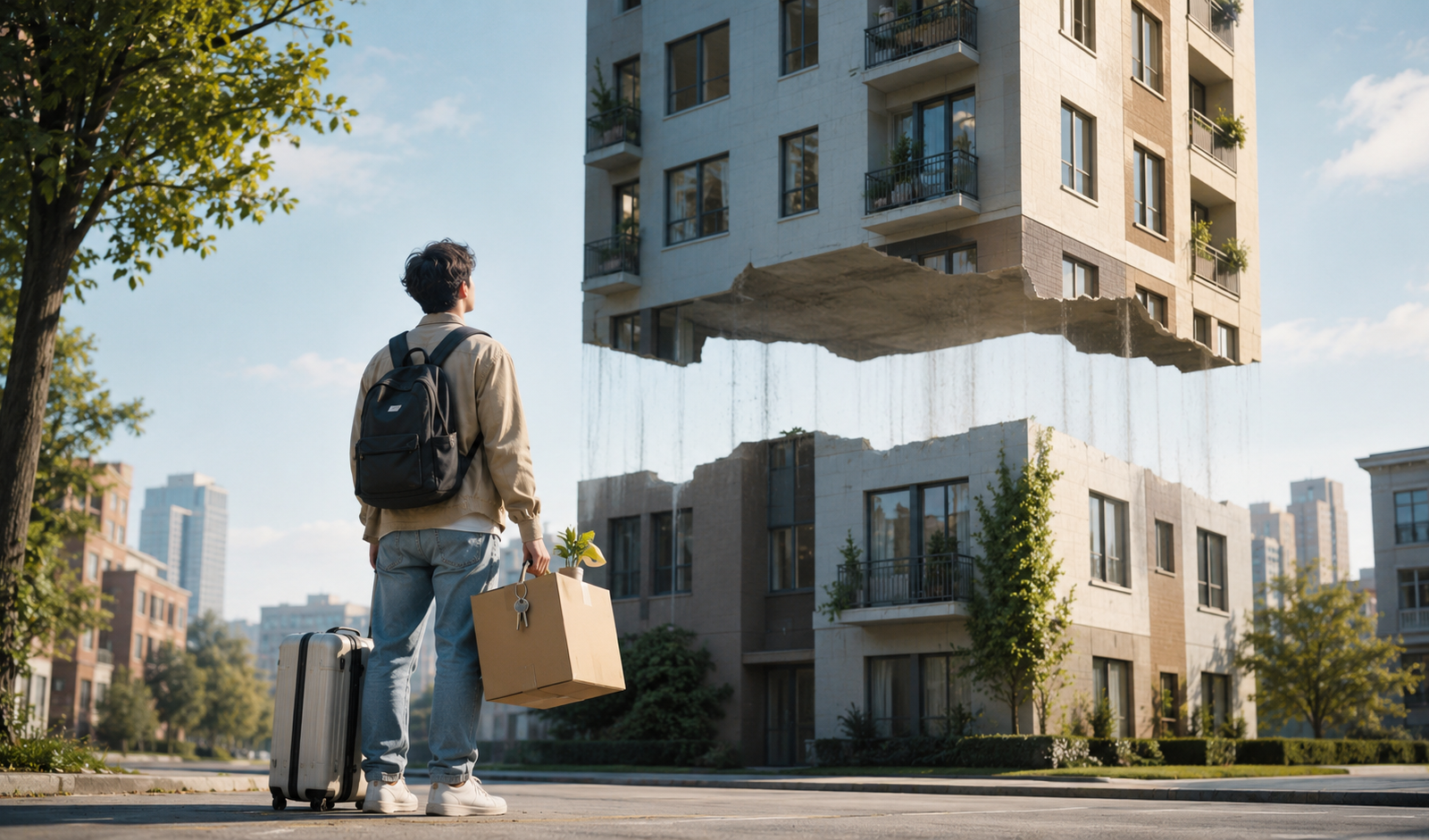
The Starter Home Is Hard To Find — And Now The Starter Rental Is Disappearing Too
For years, the housing conversation has focused on the starter home.
Buyers want that first affordable property. The smaller home. The manageable mortgage. The first step into ownership and long-term wealth.
But there is another part of the housing ladder that is disappearing even earlier: the starter rental.
Before most people buy a home, they rent. That first rental is often where independence begins. It is the small studio, shared apartment, rented room, or modest unit that helps someone move out, build credit, save money, and start planning for the future.
When that first step becomes too expensive, everything after it becomes harder.
Why The Starter Rental Matters
A starter rental is not supposed to be perfect.
It may be small. It may be simple. It may be shared. But it gives young adults, new workers, students, relocating families, and people starting over a chance to live independently without being overwhelmed by housing costs.
That matters because renting is often the bridge between living at home and eventually buying a home.
When rent is manageable, people have room to save. They can build credit, pay down debt, start careers, and prepare for bigger financial goals.
When rent is too high, that bridge gets weaker.
Instead of saving for a down payment, renters are spending more of their income just to stay housed. Instead of moving out, many young adults are staying with family longer. Instead of forming new households, people are delaying independence altogether.
The First Step Has Become More Expensive
Decades ago, low-cost rentals were much easier to find.
There were more basic apartments, boarding houses, single-room units, and inexpensive shared housing options. They were not glamorous, but they gave people a place to begin.
Today, many of those options have disappeared.
In many cities, older affordable units have been demolished, converted, upgraded, or restricted by zoning rules. At the same time, much of the new rental supply being built is more expensive because developers are dealing with high land costs, labor costs, materials, insurance, financing, and permitting challenges.
The result is a rental market where the bottom end keeps shrinking.
There may still be luxury apartments, high-end amenity buildings, and larger rental communities, but the truly affordable “first place” is becoming harder to find.
This Is Bigger Than Rent
The disappearance of starter rentals does not only affect renters.
It affects the entire housing market.
When young adults cannot afford to move out, household formation slows down. That means fewer people starting independent lives, fewer people entering local economies as renters, and eventually fewer people becoming future buyers.
It also affects cities and businesses.
Affordable entry-level rentals help attract workers. They give young professionals a reason to move to a market, start a career, and build a life there. When those rentals disappear, cities can become harder to access for the very people they need to grow.
That is one reason some younger renters are choosing midsize markets over expensive coastal cities. They are looking for places where jobs and manageable housing costs can still exist together.
The Housing Ladder Starts Before Ownership
A lot of people think the housing ladder begins with buying a home.
It does not.
For most people, it begins with renting.
That first rental is where someone learns how to manage monthly housing costs. It is where they begin building a rental history. It is where they create a budget, establish independence, and start thinking about what comes next.
If that first step is missing, the path to ownership gets longer.
This is especially important for first-time buyers. Many are already entering the market later in life because of higher home prices, student debt, inflation, and tighter affordability. If they also spend years overpaying for rent or delaying moving out altogether, saving for a home becomes even more difficult.
Can Starter Rentals Make A Comeback?
The good news is that some markets are starting to rethink what entry-level housing can look like.
There is growing interest in micro-units, co-living, accessory dwelling units, converted buildings, smaller apartments, and updated versions of single-room housing. Some cities and states are also looking at zoning changes that would allow more flexible, lower-cost housing types.
These options may not be the right fit for everyone, but they could help create more stepping stones.
The key is flexibility.
Not every renter needs a large apartment. Not every young worker needs a luxury building. Not every household begins the same way. A healthier housing market needs options at every level, including the most basic and attainable ones.
What This Means For Buyers And Renters
For renters, the message is clear: your first housing decision matters.
It is not just about finding a place to live right now. It is about finding a setup that allows you to build toward what comes next.
That may mean choosing a smaller space, living with roommates, considering a different neighborhood, or relocating to a more affordable market. The goal is not perfection. The goal is progress.
For future buyers, this is also a reminder that the journey to homeownership often begins long before the mortgage application.
Your rental choices, savings habits, credit history, and monthly budget all play a role in your ability to buy later.
And for the broader market, the solution cannot only be about building more homes for sale. We also need more affordable rentals that help people get started.
The Bottom Line
The starter home may be harder to find, but the starter rental disappearing is just as serious.
If people cannot afford the first step, it becomes harder to reach the next one. Housing affordability is not only about buying a home. It is about creating a full ladder of options, from first rental to first purchase and beyond.
At Kap Rate Living, we believe real estate should feel more approachable, not more impossible. Whether you are renting, saving, buying, selling, or planning your next move, the right guidance can help you make smarter decisions along the way.
If you are ready to start planning your next chapter, visit kaprateliving.com to connect with Kap Rate Living.
Inspired by reporting from Realtor.com.