The Housing Freeze Keeps Many Homeowners Stuck in Place
Nearly half of U.S. homeowners still have mortgage rates below 4%, making it difficult to justify moving in today’s higher-rate market. That lock-in effect is continuing to slow housing activity nationwide.
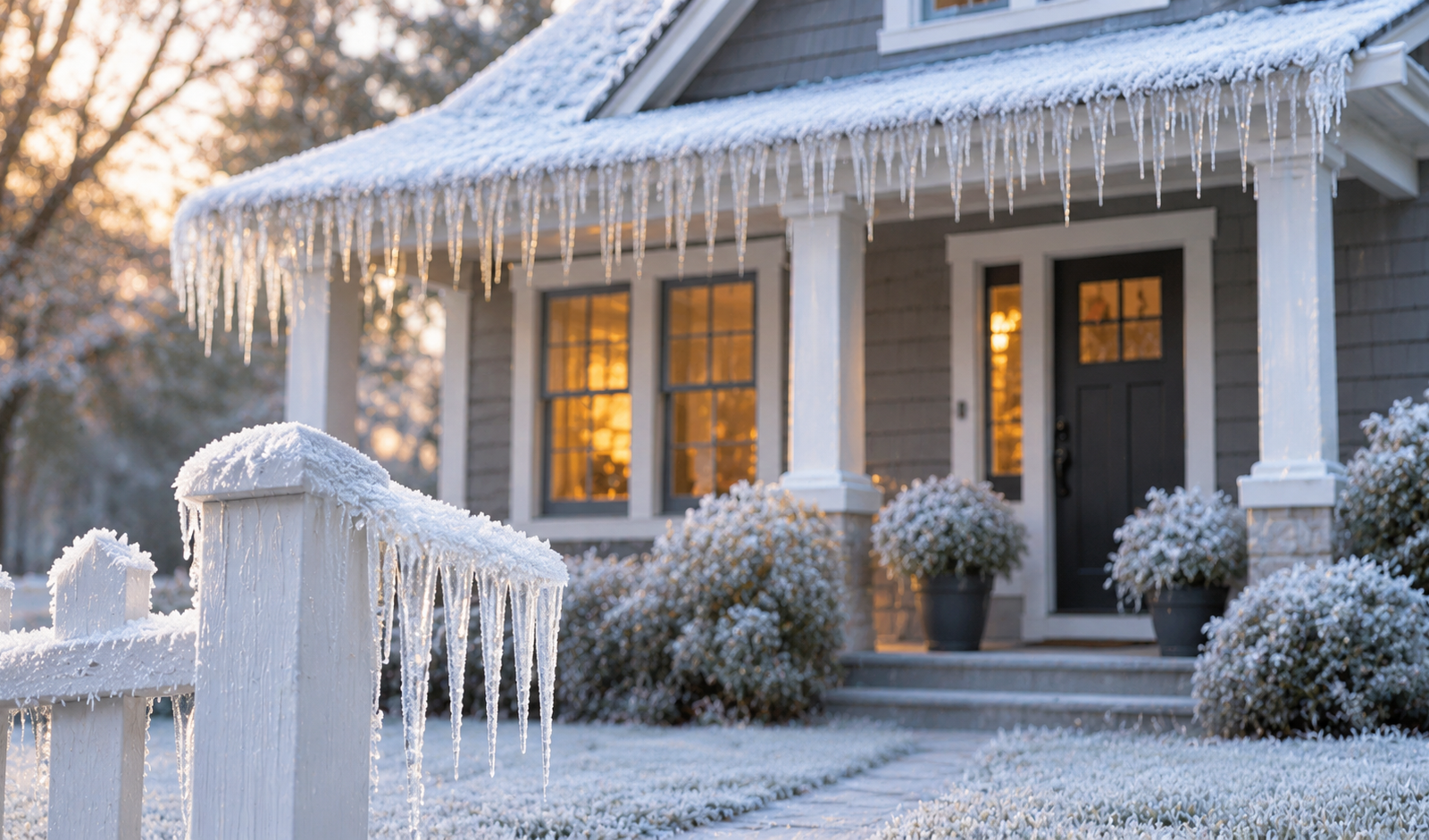
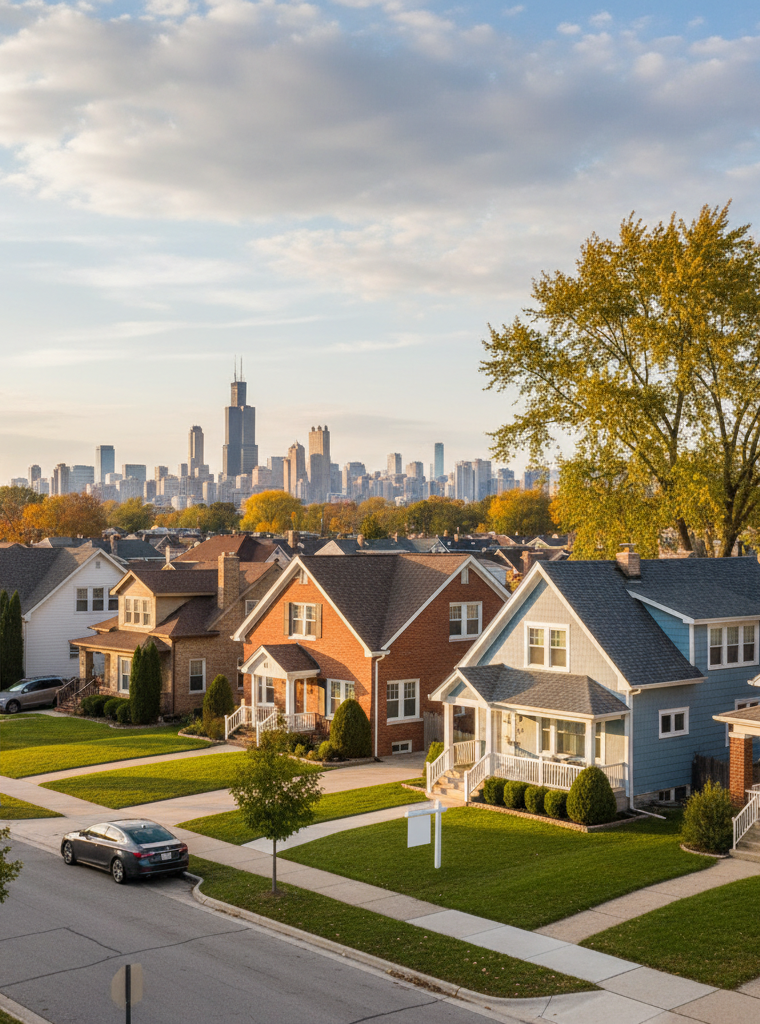
Many homeowners across the country are staying put for one major reason: their mortgage rate.
With today’s average mortgage rate sitting far above the historically low levels many buyers secured during the pandemic, moving has become a much more expensive decision. For millions of homeowners, selling their current home would mean giving up a low monthly payment and replacing it with a significantly higher one, even if the next home is similarly priced.
That reality is helping keep the housing market frozen.
Why So Many Homeowners Are Staying Put
According to a Realtor.com analysis of data from the Federal Housing Finance Agency’s National Mortgage Database, 49% of outstanding mortgages had a fixed interest rate below 4% in the second quarter of 2026.
Another 29% had rates between 4% and 6%. That means a total of 78% of homeowners with mortgages were still paying less than 6%.
For many of these homeowners, moving simply does not make financial sense right now. A homeowner with a mortgage rate in the 3% range would likely face a much higher monthly payment if they purchased another home with a new loan closer to current market rates.
Even those who want more space, less space, or a different location may be choosing to wait.
Pandemic-Era Rates Still Shape Today’s Market
The current lock-in effect traces back to the unusually low mortgage rates seen during the pandemic.
From July 2020 through September 2021, the average rate on a 30-year fixed mortgage remained below 3%, creating a rare borrowing environment that allowed many buyers to lock in extremely affordable financing.
Those low-rate loans are still having a major impact on the housing market years later.
In the second quarter of 2026, 19% of outstanding mortgages had rates below 3%, while 30% had rates between 3% and 4%.
Because so many homeowners are still holding onto these loans, turnover in the housing market remains limited.
Older Mortgages Are Becoming More Common
The same report found that 43% of outstanding mortgages are now between five and seven years old, the highest share on record.
These loans were originated between mid-2019 and mid-2022, a period that included some of the lowest mortgage rates in modern history.
The data suggests that homeowners are holding onto those mortgages longer than usual, contributing to slower resale activity and fewer homes hitting the market.
By comparison, only 28% of current mortgages were originated during the four years leading up to June 2026, reflecting slower new loan activity as mortgage rates moved higher.
The Lock-In Effect Is Slowing the Housing Market
This mortgage lock-in effect is one of the biggest reasons housing activity has remained sluggish.
Even when homeowners want or need to move, many are reluctant to trade a low mortgage payment for a more expensive one. That reduces the number of homes being listed for sale and limits overall market movement.
It also creates a ripple effect for buyers, who face fewer resale options because existing owners are not moving as often.
According to Realtor.com senior economist Hannah Jones, the lock-in effect is easing only gradually as older low-rate mortgages age, get paid off, or are replaced through home sales.
Will the Housing Market Start to Thaw?
A major decline in mortgage rates would likely help loosen the market by making it more affordable for homeowners to move and for buyers to finance purchases.
Realtor.com estimates that by mid-2027, about 27% to 29% of outstanding mortgages will carry rates of 6% or higher, up from 23% in the second quarter of 2026.
That shift could slowly reduce the market’s dependence on ultralow-rate loans, but a rapid change is not expected.
In the meantime, signs of adjustment are beginning to appear. Realtor.com noted that in September, the average home price declined 1.4% while the number of homes for sale increased slightly.
Even so, with millions of homeowners still protected by exceptionally low mortgage rates, any major thaw in the housing market will likely take time.
What This Means for Buyers and Sellers
For sellers, today’s market presents a difficult calculation. Listing a home may unlock equity, but it could also mean stepping into a far more expensive financing environment.
For buyers, the housing freeze can be frustrating because fewer existing homeowners are listing their properties. At the same time, if mortgage rates begin to ease and inventory continues to improve, more opportunities could emerge.
For now, the housing market remains heavily shaped by the mortgage decisions made during the pandemic years.
Until borrowing costs come down more meaningfully, many homeowners may continue to stay exactly where they are.
Source: Realtor.com, The Great Housing Freeze: Half of Homeowners Have a Sub-4% Mortgage Rate—and Few Reasons To Move, by Andrea Cavallier, published October 22, 2026.
Original Article: https://www.realtor.com/news/trends/sub-4-percent-mortgage-rates-homeowners-lock-in-october-2026/
Research: Realtor.com Economic Research, 2026 Q2 Outstanding Mortgage Data, based on the Federal Housing Finance Agency’s National Mortgage Database.