Selling a Florida Condo? Build Your Buyer’s Shortlist Before Setting the Price
Florida’s condo-townhouse supply differs from the single-family market. Compare the homes buyers could choose instead before positioning your listing.
Price against the alternatives buyers can actually choose
Before setting an asking price for a Florida condo, try a buyer’s exercise: if your home were unavailable, which properties would you tour instead?
The answer can give your selling plan more direction than a broad Florida housing market prediction. Rather than treating every nearby listing as a competitor, build a shortlist of homes that could meet the same buyer’s needs. Then ask what would make someone choose yours.
This is especially useful when the condo-townhouse market and the single-family market show different supply conditions. The goal is not to assume that every condo seller must discount. It is to identify the comparisons your asking price needs to withstand.
What the reported supply difference means
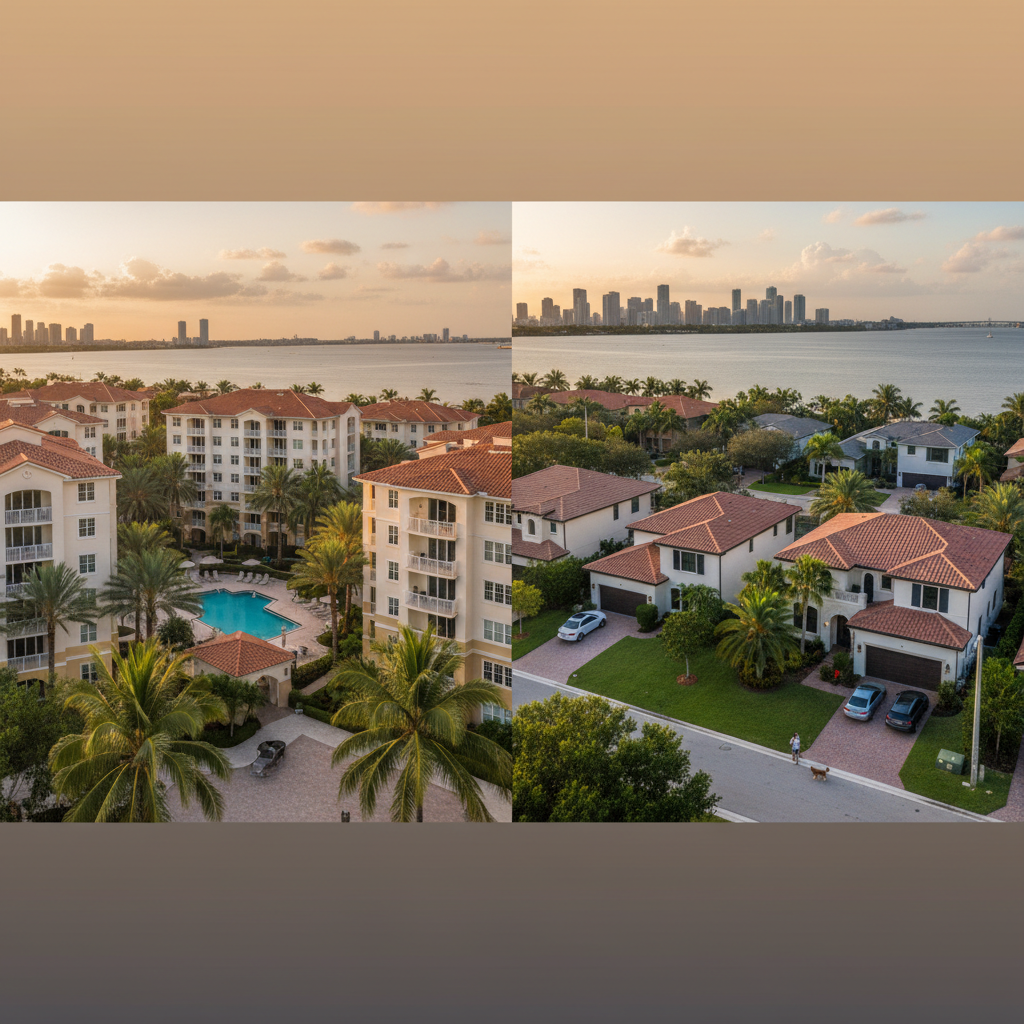
Florida Realtors’ October 16, 2026 release reported September supply of 7.7 months for existing condo-townhouse properties, compared with 4.4 months for existing single-family homes. The release reported those same supply figures for the third quarter. Florida Realtors
That difference supports examining condo-townhouse competition separately instead of borrowing expectations from the detached-home market. It does not establish how much negotiating room exists in your building or how long your particular property will take to sell.
Nor does the supply figure mean condo transactions have stopped. In the third quarter of 2026, statewide existing condo-townhouse closed sales totaled 22,664, up 3.1% year over year; the quarterly median sale price was $295,000, unchanged from a year earlier. Florida Realtors
For sellers, the practical interpretation is narrower than either a crash or rebound headline: completed transactions continued, but your preparation should address the alternatives available to your prospective buyer. These statewide figures do not supply a valuation for an individual unit.
Build a shortlist, not a neighborhood inventory dump
Start with the same purchasing purpose
Write a brief description of the buyer need your property could satisfy, using housing features rather than assumptions about who should live there. Examples of comparison criteria include usable space, bedroom layout, accessibility features, outdoor space, parking, and proximity to destinations important to the buyer.
Then identify available listings that meet a similar combination of needs and budget. Include units in your own building when appropriate, but do not stop there. Ask whether a nearby development offers a plausible alternative.
Keep condos and townhouses clearly labeled. The state report combines them, but your comparison should still describe the actual property and ownership arrangement.
Record differences without assigning invented premiums
Create a simple worksheet with these columns:
- Asking price and date checked.
- Layout, approximate size, and relevant features.
- Condition and any documented updates.
- Disclosed recurring association charges.
- Questions that remain unresolved.
- Reasons a buyer might prefer that listing—or yours.
Verify details rather than filling gaps with estimates presented as facts. If a fee or feature is unclear, mark it for follow-up.
Do not automatically attach a dollar premium to a view, renovation, or amenity. Instead, ask what completed comparable sales support and where judgment is still required.
Separate available choices from completed-sale evidence
Your shortlist answers a positioning question: what else could a buyer choose? Recent comparable closed sales answer a different question: what have buyers actually paid?
Review both before settling on an asking price. A competing owner’s ambitious asking price is not proof of value, while an older closed sale may not describe the choices available today.
For each proposed price, ask: can we explain this number using completed-sale evidence, the property’s condition, and its position among available alternatives? If the explanation depends mainly on what you hope to receive, revisit it before launch.
Decide how you will respond after listing
Use the same shortlist during the listing period. Check whether competing properties remain available, change price, or sell, and verify the details before drawing conclusions. Review your own showing feedback alongside those changes.
Agree in advance on what would prompt a pricing discussion or clearer presentation of the property. Avoid an automatic discount based solely on statewide supply, but also avoid assuming that an unchanged statewide median protects your asking price.
For buyers, the same exercise offers a useful discipline: compare genuine alternatives before making an offer rather than expecting every condo to carry the same discount.
When you are ready to discuss a Florida home sale or purchase, connect with Kap Rate Living. Bring your shortlist, your questions, and your preferred timeline. Start with the property-level decision—not a prediction about the entire state.