Smart Home Upgrades That Can Make Aging in Place Easier
From motion-activated lighting and voice assistants to smart locks and safer bathroom features, the right home technology can make everyday life easier while helping homeowners plan for long-term comfort and independence.
For many homeowners, staying in the same home as they get older is an important goal.
The challenge is making sure that home continues to support everyday safety, comfort, and independence over time.
Smart-home technology can help.
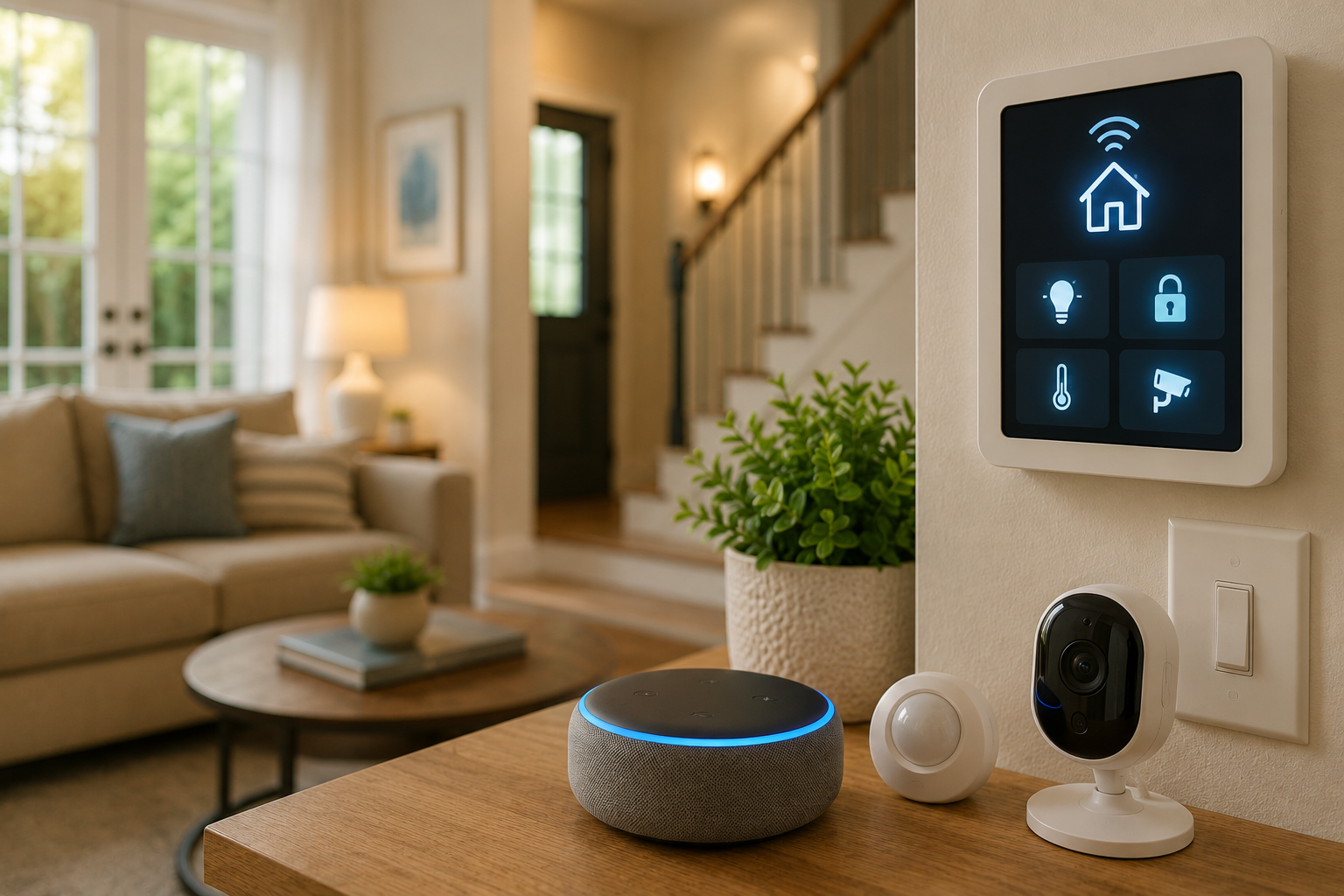
From motion-activated lighting and voice assistants to smart locks and temperature controls, relatively simple upgrades can make everyday routines easier while reducing some of the physical challenges that can come with aging.
The best approach is usually not to automate everything at once, but to focus on the areas of the home where technology can make the biggest difference.
Start With the Bathroom
The bathroom is one of the most important places to think about safety.
Wet surfaces, changes in floor height, and limited room to move can make the space more difficult to navigate.
One useful upgrade is a curbless or zero-threshold shower, which removes the step that typically separates the shower from the bathroom floor.
A digital thermostatic shower valve can also help maintain a more consistent water temperature and reduce the risk of unexpected temperature changes.
Other additions such as motion-activated night lighting, illuminated grab bars, and leak detectors can make the room easier and safer to use.
The goal is to combine accessibility with everyday convenience rather than making the space feel clinical.
Use Voice Control Throughout the Home
A voice assistant can become a useful central hub for the rest of the home's technology.
With simple voice commands, homeowners may be able to turn lights on or off, adjust the thermostat, lock doors, set reminders, make calls, or check information without needing to walk across the room or use a small touchscreen.
This can be especially helpful for people with limited mobility or dexterity.
A smart display can offer similar benefits while providing a larger visual interface for reminders, video calls, calendars, and other controls.
The most important thing is keeping the setup simple.
Device names such as "hall light," "bedroom lamp," or "front door" are usually easier to remember than complicated custom labels.
Make Lighting Automatic
Good lighting can have a major impact on how comfortable and easy a home is to navigate.
Motion-activated lighting can automatically illuminate hallways, bathrooms, stairs, or other areas when someone enters.
That removes the need to search for a switch in the dark.
Smart lighting can also be programmed around daily routines.
Lights may gradually brighten in the morning, dim in the evening, or automatically illuminate the path between a bedroom and bathroom overnight.
Voice control can provide another layer of convenience by allowing homeowners to adjust brightness without getting up.
Add a Smart Lock and Video Doorbell
Getting to the front door does not always need to involve rushing across the house or handling physical keys.
A video doorbell can allow homeowners to see and communicate with visitors from a phone, tablet, or smart display.
Smart locks can provide keyless entry and may allow doors to lock automatically.
Some systems also allow homeowners to create separate access codes for trusted family members, caregivers, house cleaners, or other visitors.
That can make it easier for someone to receive assistance without needing to distribute spare keys.
For homeowners with hearing difficulties, visual notifications on connected devices may also be useful when someone is at the door.
Consider Modern Medical Alert Technology
Medical alert systems have changed considerably over the years.
Many newer options are designed to blend into everyday life rather than functioning only as traditional emergency pendants.
Certain smartwatches include fall-detection features and can automatically initiate an emergency response if the wearer appears to have fallen and does not respond.
There are also in-home alert systems connected to professional monitoring services.
Voice assistants may provide another way to call for help when a phone or wearable device is not within reach.
The right solution will depend on the person's comfort level, health needs, and ability to use the technology consistently.
Don't Forget the Thermostat
Adjusting a traditional thermostat can become frustrating when the controls are small or difficult to read.
A smart thermostat can allow homeowners to change the temperature using voice commands, a phone, or automated schedules.
It can also keep the home at more consistent temperatures without requiring repeated adjustments throughout the day.
Some systems allow trusted family members to remotely check temperature settings as well.
That can be particularly useful during extreme heat or cold when maintaining a comfortable indoor temperature becomes more important.
Keep the Setup Simple
One of the biggest mistakes when adding smart-home technology is making the system too complicated.
Homeowners generally do not need dozens of connected devices to see a meaningful benefit.
Starting with one or two useful upgrades can make the transition much easier.
A voice assistant or smart display can serve as the central control point.
Motion-activated lighting can then be added in the areas where it is most useful.
Once those systems feel comfortable, homeowners can consider adding a video doorbell, smart lock, thermostat, or other connected devices.
More involved renovations, such as creating a curbless shower, can be planned separately with experienced professionals.
Reliable Internet Matters
Most smart-home devices depend on a reliable Wi-Fi connection.
Older routers, large houses, and dead zones can create problems if the signal does not reach every room consistently.
Before installing several smart devices, it can be helpful to test the connection in the areas where they will be used.
Homes with weak coverage may benefit from a Wi-Fi extender or mesh network.
It is also important to understand what happens if the internet or electricity goes out.
Some devices may stop functioning temporarily, while others include battery backups, manual controls, or cellular connectivity.
For safety-related devices, understanding those backup options is especially important.
The Layout of the Home Still Matters
Technology can make a home easier to use, but it cannot solve every accessibility challenge.
Features such as a single-story floor plan, wider doorways, step-free entrances, and a bedroom and full bathroom on the main level can make aging in place considerably easier.
In some homes, major structural changes may be required to create that level of accessibility.
Homeowners should consider both the technology inside the home and the underlying layout when thinking about whether the property will continue to meet their needs over the long term.
Know When Moving May Be the Better Option
Sometimes modifying an existing home makes sense.
Other times, the cost and complexity of major renovations may make moving a more practical solution.
A multi-story home without a main-floor bedroom, narrow doorways, difficult staircases, or significant structural barriers may be expensive to retrofit.
In those situations, homeowners might consider whether a single-story home, condo, or community designed around accessibility would better support their future needs.
Planning ahead can provide more options than waiting until changes become urgent.
Get Professional Guidance When Needed
Some accessibility improvements can be simple DIY projects, but more significant modifications should be handled by qualified professionals.
Certified Aging-in-Place Specialists, commonly referred to as CAPS professionals, receive specialized training in creating homes that support people as their needs change.
Contractors, designers, occupational therapists, and other experienced professionals can also help identify potential obstacles and recommend appropriate solutions.
The Bottom Line
Smart-home technology can make aging in place more comfortable, convenient, and manageable.
Motion-activated lighting, voice control, smart locks, video doorbells, medical alert devices, and automated temperature controls can all reduce unnecessary physical effort while making everyday routines easier.
The key is creating a system that remains simple and reliable.
Start with the areas that would provide the greatest benefit, make sure the technology is easy to use, and consider the home's overall layout as part of the long-term plan.
The right combination of thoughtful design and practical technology can help a home continue working for its owner for many years to come.
Source: Adapted from Redfin's “Smart Tech Upgrades for Aging in Place,” by Emily Pascale, published August 24, 2026. The original article covers bathroom safety improvements, voice assistants, smart lighting, smart locks, medical alert technology, thermostats, and other home modifications designed to support aging in place. This article is for general informational purposes only. Individual accessibility, safety, health, technology, and home-modification needs vary. Homeowners should consult qualified professionals when evaluating major renovations, medical-alert systems, or accessibility improvements.