Renting Is Still Cheaper, but Buying Is Gaining Ground in These Markets
Renting is still cheaper in major U.S. markets, but falling home prices, rising wages, and improving inventory are helping buyers gain ground in seven cities.

Renting remains the less expensive monthly option in the nation’s largest housing markets, but the gap between renting and buying is beginning to narrow in several cities.
Recent housing data shows that lower home prices, slightly improved mortgage rates, rising wages, and increased inventory are helping make homeownership more competitive with renting in certain markets.
In some places, the difference is now surprisingly small.
The Rent-vs.-Buy Gap Is Getting Smaller
Across the country’s 50 largest metropolitan areas, renting a starter home still costs less each month than buying one.
However, the monthly premium for owning has been shrinking. That change is being driven primarily by the purchase side of the market.
Starter-home prices have been easing in many cities, while mortgage rates have come down slightly from where they were a year earlier. At the same time, rental prices have not fallen as quickly in several markets.
That combination is slowly shifting the math in favor of buyers.
More Affordable Homes Are Hitting the Market
Another factor helping buyers is the growing supply of lower-priced homes.
The number of homes listed below $350,000 has increased significantly compared with the severe starter-home shortage seen several years ago.
More inventory gives buyers additional options and can also reduce some of the competition that previously pushed prices higher.
In markets where supply has improved the most, buyers may also have greater negotiating power when it comes to price reductions, seller credits, repairs, and other concessions.
Seven Markets Are Becoming More Buyer-Friendly
Several major metropolitan areas are seeing multiple trends work in buyers’ favor at the same time.
These markets include Oklahoma City, Orlando, Seattle, Miami, Tampa, Las Vegas, and Nashville.
In each of these areas, starter-home prices have been declining faster than rents while wages have continued to grow.
That means prospective buyers are seeing homes become somewhat more affordable relative to both their income and the cost of renting.
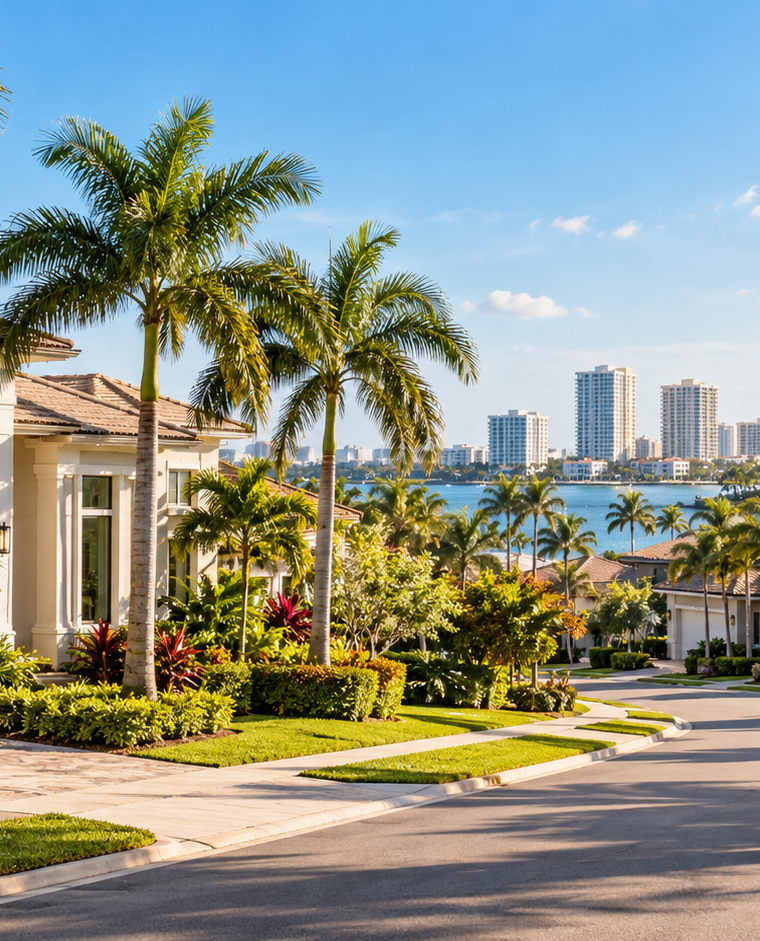
Florida stands out in particular, with Orlando, Miami, and Tampa all showing conditions that increasingly favor buyers.
Orlando Is Nearly at Rent-Buy Parity
Orlando is one of the clearest examples of how quickly the gap can narrow.
In July, the median asking rent in the area was approximately $1,682 per month. The estimated monthly cost of purchasing a starter home was about $1,701.
That is a difference of only $19 per month.
While that does not mean buying is automatically the better financial decision, it does show how much the relationship between renting and owning has changed in certain markets.
Homebuyers still need to consider expenses beyond the mortgage payment, including property taxes, homeowners insurance, maintenance, closing costs, and how long they expect to remain in the property.
Florida Buyers Are Seeing More Leverage
The shift is especially notable across Florida.
Markets such as Orlando, Tampa, and Miami have moved toward more buyer-friendly conditions as inventory increases and home prices cool.
For buyers who were previously competing in an extremely aggressive market, the change can mean more time to evaluate properties and more opportunities to negotiate.
Sellers may also be more willing to offer concessions, particularly when a property has spent more time on the market.
However, affordability remains a challenge for many households.
Even when prices decline, buyers still need enough income, credit, and savings to qualify for financing and cover upfront expenses.
Renting Can Still Provide Major Savings
A market becoming more favorable to buyers does not necessarily mean buying is cheaper than renting.
In some cities, the monthly difference remains substantial.
For example, renters in markets such as Seattle and Nashville can still save considerably each month compared with the estimated cost of purchasing a starter home.
For households that are not ready to buy, those monthly savings can provide an opportunity to build an emergency fund, improve credit, reduce debt, or save toward a future down payment.
Affordability Is About More Than the Listing Price
Lower home prices help, but they are only one piece of the affordability equation.
A homeowner’s total monthly costs can include mortgage principal and interest, property taxes, homeowners insurance, HOA or community fees, maintenance and repairs, and mortgage insurance when applicable.
Because of those additional expenses, buyers should compare the full estimated cost of homeownership with what they currently pay in rent instead of looking at the mortgage payment alone.
The better option will depend on the buyer’s finances, location, expected length of ownership, and long-term goals.
The Bottom Line
Renting is still cheaper than buying in many major U.S. markets, but the advantage is becoming smaller in several cities.
Falling starter-home prices, improving inventory, wage growth, and slightly better borrowing conditions are giving buyers more leverage than they had in recent years.
Markets including Orlando, Tampa, Miami, Oklahoma City, Seattle, Las Vegas, and Nashville are among those where conditions are shifting most noticeably.
For renters who are financially prepared to purchase, the changing market could create new opportunities. For those who are still saving, continuing to rent may still provide valuable breathing room while buying conditions improve.