Mortgage Rates Are Rising Again: Should You Buy Now or Keep Waiting?
Mortgage rates have climbed again, but buyers may still benefit from greater inventory, seller concessions, and stronger negotiating power.
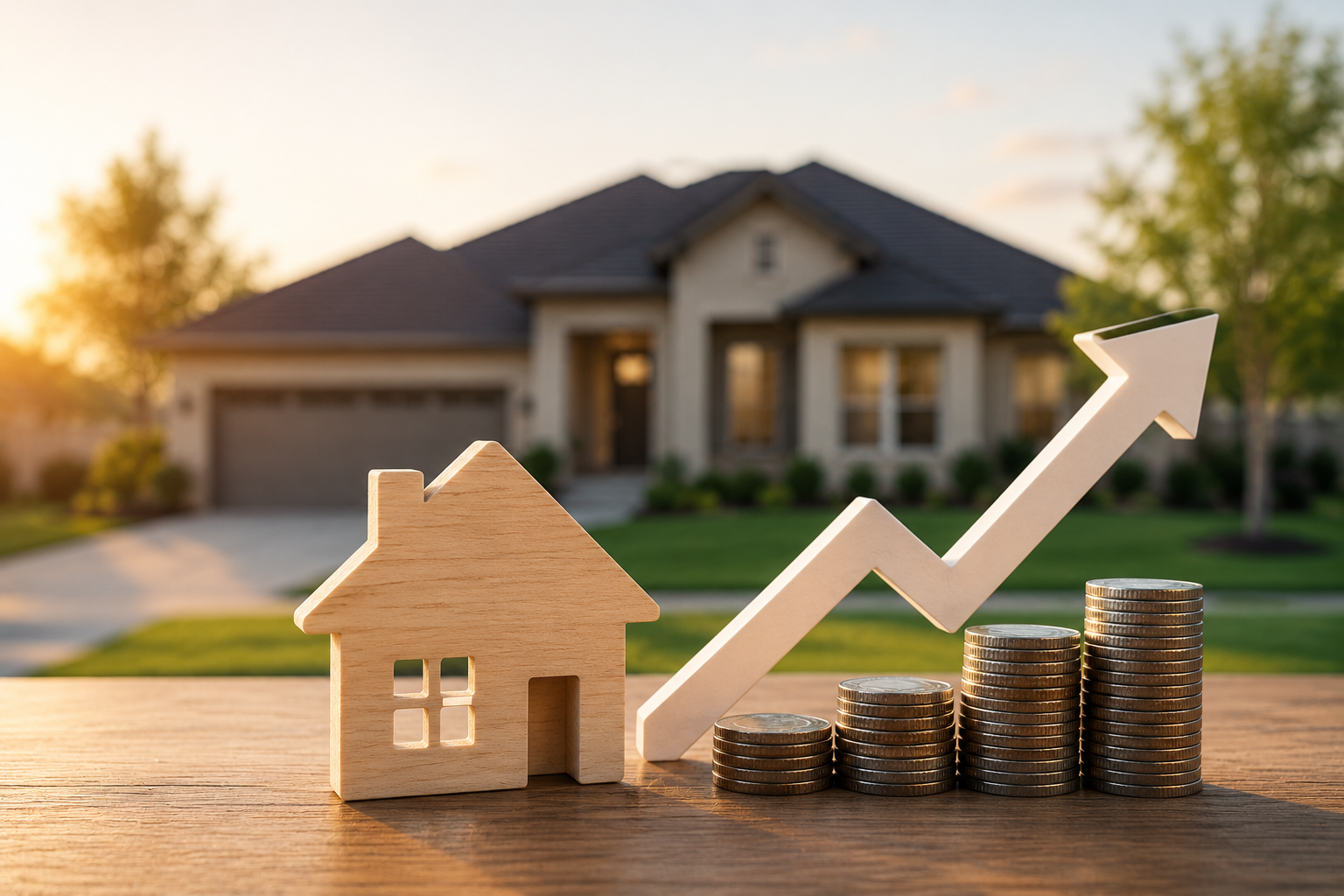
Homebuyers hoping for a major break in mortgage rates received disappointing news at the end of July.
The average rate on a 30-year fixed mortgage increased to 6.66% as of July 30, 2026, its highest level in one year. It marked the fourth consecutive weekly increase, up from 6.58% the previous week. The average 15-year fixed mortgage also rose to 6.04%.
For buyers already concerned about home prices, insurance, taxes and closing costs, another increase in borrowing costs can make purchasing a home feel even further out of reach.
It also raises a difficult question:
Should you buy a home now, or wait and hope mortgage rates come down?
There is no universal answer. The right decision depends less on predicting the next rate movement and more on your finances, housing needs, local market conditions and ability to negotiate.
Why Mortgage Rates Are Rising
Mortgage rates are influenced by several economic forces.
Although Federal Reserve decisions receive the most attention, the Fed does not directly set mortgage rates. Home-loan rates generally move with longer-term bond yields—especially the 10-year U.S. Treasury yield.
Bond investors respond to inflation, economic growth, government borrowing, geopolitical risk and expectations about future Federal Reserve policy.
The recent rise in mortgage rates followed an increase in Treasury yields and renewed concerns that inflation could remain elevated. The Federal Reserve also left its benchmark interest rate unchanged at its latest meeting, offering buyers little immediate relief.
This is why waiting for the Fed to lower rates does not guarantee that mortgage rates will immediately decline.
Mortgage rates can rise, fall or remain relatively unchanged even when the Federal Reserve adjusts its own short-term rate.
How Much Difference Can a Higher Rate Make?
A small change in the mortgage rate can create a meaningful difference in the monthly payment.
Consider a buyer financing a $400,000 home with a 10% down payment. The mortgage amount would be approximately $360,000.
At a 6% interest rate, the monthly principal-and-interest payment would be about $2,158.
At 6.66%, that payment would be approximately $2,313.
That is a difference of about $155 each month, or more than $1,800 per year.
These figures do not include property taxes, homeowners insurance, mortgage insurance, homeowners association fees or other ownership expenses.
The impact becomes larger as the loan amount increases. This is why buyers must focus on the complete monthly payment—not only the home’s purchase price.
Rising Rates Reduce Purchasing Power
When mortgage rates increase, buyers generally have three choices:
-
Accept a higher monthly payment
-
Increase their down payment
-
Shop for a less expensive home
Many buyers cannot simply absorb a larger payment. As a result, a higher rate may reduce the price range in which they can comfortably shop.
This can be frustrating, but it can also prevent buyers from taking on a housing expense that places too much pressure on the rest of their budget.
A lender may approve a buyer for a particular amount, but that does not mean the buyer should automatically spend the maximum.
The better question is whether the complete payment leaves enough room for savings, maintenance, transportation, emergencies and other monthly obligations.
Why Some Buyers May Still Benefit From Purchasing Now
Higher rates do not automatically mean buying now is a mistake.
In many housing markets, buyers have more inventory and negotiating power than they had during the highly competitive pandemic-era market.
When demand weakens, buyers may be able to negotiate:
-
A lower purchase price
-
Seller-paid closing costs
-
Repairs or repair credits
-
Mortgage-rate buydowns
-
Appliances or other personal property
-
More favorable inspection terms
-
A flexible closing date
A buyer may pay a higher mortgage rate but receive a better purchase price and stronger contract terms.
If rates later decline, the buyer may also have the option to refinance, subject to qualification, closing costs and market conditions.
This leads to an important distinction:
You may be able to refinance a mortgage rate in the future. You generally cannot renegotiate the original purchase price after closing.
Waiting for Lower Rates Could Bring More Competition
Many prospective buyers are waiting for mortgage rates to fall.
If rates decline substantially, some of those buyers may return to the market at the same time.
That could create:
-
More competition
-
Faster sales
-
Fewer seller concessions
-
Less negotiating power
-
Renewed price pressure in desirable neighborhoods
A lower mortgage rate could improve affordability, but part of that benefit may be offset if home prices increase or buyers must compete against multiple offers.
This does not mean buyers should rush into a purchase. It means waiting has both potential benefits and risks.
The future market may offer lower rates, but it may not offer today’s inventory or negotiating opportunities.
Buying Now May Make Sense When You Are Financially Ready
A buyer may be in a reasonable position to purchase now when several conditions are met.
The Payment Is Manageable at Today’s Rate
Do not purchase a home based on the assumption that you will refinance soon.
Refinancing is never guaranteed. Rates may not fall enough, the home’s value could change or the borrower’s financial situation could be different in the future.
The home should be affordable using the actual loan terms available today.
You Expect to Remain in the Home
Buying usually involves closing costs, moving expenses and ongoing maintenance.
A longer expected ownership period gives buyers more time to spread those expenses and potentially build equity.
Someone who expects to relocate again soon may benefit from comparing the cost of buying with the cost of continuing to rent.
You Have Emergency Savings
The down payment should not leave the buyer without available cash.
Homeownership can involve unexpected repairs, insurance deductibles, appliance replacements and changes in monthly expenses.
A buyer who uses every available dollar at closing may become financially vulnerable after moving in.
You Found the Right Property
A favorable market does not make the wrong home a good purchase.
The property should fit the buyer’s location, condition, space and long-term needs.
Buyers should also review potential resale challenges, neighborhood trends and major ownership expenses before committing.
Waiting May Be Better When the Numbers Do Not Work
Waiting can be the responsible choice when purchasing would create excessive financial pressure.
It may make sense to delay when:
-
The monthly payment would exceed your comfortable budget
-
Your employment or income is uncertain
-
You need additional time to improve your credit
-
You have not saved enough for closing costs and emergencies
-
You may relocate within the next few years
-
You are relying on an immediate refinance to afford the payment
-
You have not found a property that meets your needs
Buying a home should improve long-term stability, not create constant financial stress.
A buyer should not purchase simply because someone claims prices or rates will rise.
Compare the Rate—not Just the Lender’s Advertisement
The mortgage rate advertised online may not be the rate a particular buyer receives.
Rates can vary based on:
-
Credit score
-
Loan type
-
Down payment
-
Debt-to-income ratio
-
Property type
-
Occupancy
-
Loan amount
-
Discount points
-
Lock period
Buyers should compare written loan estimates from multiple lenders on the same day and using the same loan structure.
The comparison should include:
-
Interest rate
-
Annual percentage rate
-
Monthly principal and interest
-
Lender fees
-
Discount points
-
Mortgage insurance
-
Cash required at closing
A lower advertised rate may require substantial upfront points. Depending on how long the buyer expects to keep the loan, paying those points may or may not make financial sense.
Ask Whether a Rate Buydown Is Available
In a market with more inventory, sellers and builders may be willing to contribute toward the buyer’s financing costs.
A rate buydown can be temporary or permanent.
A temporary buydown reduces the payment during the first few years before it rises to the full note rate. A permanent buydown uses funds at closing to reduce the rate for the life of the loan.
Buyers should understand:
-
How long the reduced payment lasts
-
What the full payment will become
-
Who is paying for the buydown
-
Whether the home price was increased to support the incentive
-
Whether taking a lower price would be more valuable
-
What happens if the buyer sells or refinances early
The best incentive depends on the buyer’s financial plans.
New Construction May Offer Additional Financing Options
Builders with completed inventory may offer incentives that individual homeowners cannot easily match.
These may include:
-
Below-market mortgage rates
-
Closing-cost contributions
-
Permanent rate buydowns
-
Temporary payment reductions
-
Upgrade packages
-
Reduced prices on selected homes
However, incentives may require the buyer to use the builder’s preferred lender or title provider.
Buyers should compare the entire builder offer with outside financing rather than assuming the promotional rate automatically creates the best deal.
The home price, loan costs, future payment and included features should all be evaluated together.
Florida Buyers Must Calculate the Full Monthly Cost
Mortgage rates are only one part of affordability in Florida.
Buyers should also estimate:
-
Homeowners insurance
-
Flood insurance
-
Property taxes
-
Homeowners association dues
-
Condominium fees
-
Community development district charges
-
Mortgage insurance
-
Utilities and maintenance
Insurance and association expenses can vary dramatically between properties that have similar purchase prices.
A home with a slightly higher price but lower insurance and association costs may be more affordable than a cheaper property with expensive recurring fees.
Before submitting an offer, Florida buyers should obtain realistic insurance estimates and verify applicable community expenses.
What Sellers Should Understand About Higher Rates
Rising mortgage rates affect sellers because they reduce what buyers can comfortably pay.
A seller cannot control interest rates, but they can make the property more competitive.
Possible strategies include:
-
Pricing accurately from the beginning
-
Offering eligible closing-cost assistance
-
Contributing toward a rate buydown
-
Completing important repairs
-
Presenting the home professionally
-
Remaining flexible about closing terms
A seller contribution toward financing costs may sometimes produce a better outcome than a larger price reduction.
The correct strategy depends on the seller’s net proceeds, the buyer’s loan program and the property’s competition.
Do Not Try to Perfectly Time the Market
Mortgage rates change frequently.
Freddie Mac’s data shows the average 30-year rate increased from 6.43% on July 2 to 6.66% on July 30, 2026.
Earlier in 2026, the average rate briefly fell below 6%, showing how quickly conditions can shift.
No buyer, seller, lender or economist can guarantee where rates will be several months from now.
Trying to purchase at the exact lowest rate or lowest home price is rarely realistic.
A better approach is to make a decision based on:
-
Your current budget
-
Your expected ownership period
-
Available inventory
-
Negotiating opportunities
-
The property’s condition
-
The complete monthly expense
-
Your long-term goals
The Kap Rate Living Perspective
Rising mortgage rates create real affordability challenges, but they do not automatically make buying a home a poor decision.
Some buyers may benefit from purchasing while inventory is higher and sellers are more willing to negotiate. Others may need additional time to strengthen their finances or find a payment that feels sustainable.
At Kap Rate Living, we believe buyers should not make decisions based only on predictions about future rates.
The strongest purchase is one that works under today’s terms, supports the buyer’s long-term plans and leaves enough financial flexibility for the realities of homeownership.
You do not need to perfectly time the market.
You need the right property, a manageable payment and a strategy that makes sense for your life.
Source: This article was independently written by Kap Rate Living using mortgage-market information reported by the Associated Press on July 30, 2026, along with rate data from Freddie Mac’s Primary Mortgage Market Survey. Freddie Mac reported that the average 30-year fixed mortgage rate reached 6.66% on July 30, 2026.
Disclaimer: This article is provided for general informational purposes only and does not constitute mortgage, financial, legal, tax or real estate advice. Rates, payments, loan programs and qualification requirements vary by borrower, lender and property. Buyers should consult qualified real estate and mortgage professionals before making a purchase decision.