How Long Does It Take to Sell a House?
Selling a home can take several months from preparation through closing. Here’s what sellers can expect during each stage, from getting the property market-ready to inspections, appraisal, and final closing.
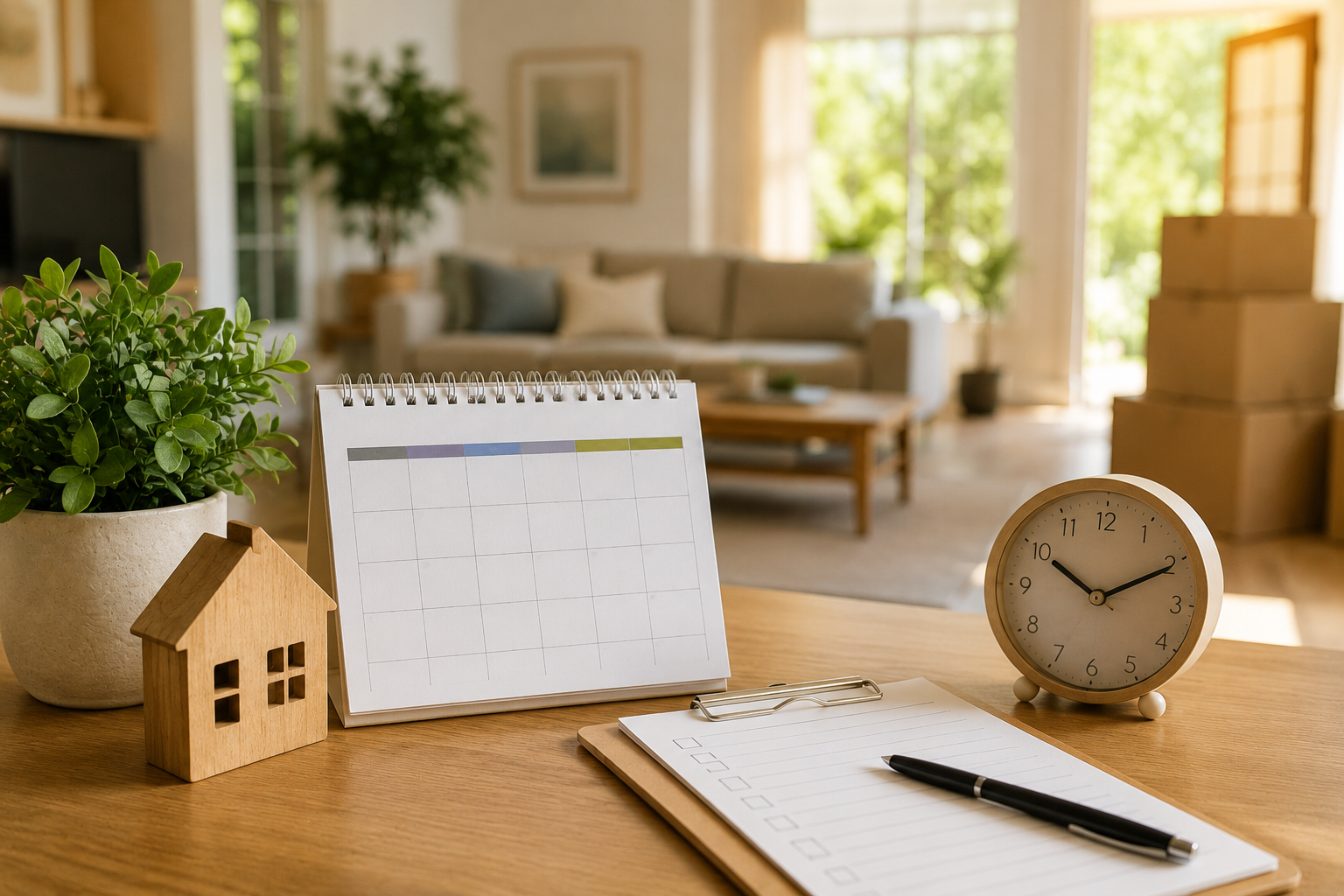
Selling a home is not one single event.
It is really a series of stages: preparing the property, listing it, finding a buyer, navigating inspections and financing, and finally making it to closing.
For many sellers, the entire process can take several months from the time they begin preparing the home until the sale is officially complete.
The exact timeline depends on your local market, the condition of the property, your pricing strategy, buyer demand, and how smoothly the transaction moves once you are under contract.
Start Planning Before You List
A successful sale often begins well before the listing goes live.
Ideally, sellers should start planning several weeks in advance.
This is the time to think through why you are selling, when you need to move, whether you are buying another home, and what your financial goals are for the sale.
You should also get a realistic sense of what the home may be worth and what you may actually receive after the mortgage payoff and selling expenses are deducted.
Understanding your estimated net proceeds early can help you make better decisions about repairs, moving costs, and your next purchase.
Gather Important Documents Early
Paperwork can slow down a sale if you wait until the last minute.
Depending on your property, you may need mortgage information, tax records, HOA documents, permits, warranties, renovation records, surveys, disclosures, or lease information if the home is occupied by a tenant.
Gathering these documents before listing can make the later stages much smoother.
It can also help your real estate professional understand the property more completely before marketing begins.
Prepare the Home for the Market
Most sellers do not need to completely renovate their home before listing.
In many cases, focusing on obvious repairs and presentation can be more effective than taking on expensive projects.
That might mean fixing visible defects, touching up paint, improving curb appeal, deep cleaning, decluttering, and removing excess furniture.
If the home has a major issue, you may decide to repair it, disclose it, offer a credit, or sell the property in its current condition depending on your situation.
The goal is to make the home feel well cared for without spending money on improvements that may not provide a meaningful return.
Clean, Declutter, and Stage
About a month before listing, sellers should begin making the home feel ready for buyers.
Pack items you do not need, remove personal clutter, organize storage areas, and deep clean the property.
Pay particular attention to rooms buyers tend to focus on most, including the kitchen, living room, and primary bedroom.
Exterior presentation matters too.
Simple landscaping, clean walkways, trimmed plants, and an inviting entry can strengthen the first impression buyers get before they even walk inside.
Finalize Your Price Close to Launch
Pricing is one of the most important decisions in the entire selling process.
The right list price should reflect current market conditions rather than what similar homes sold for a year or two ago.
Recent comparable sales, active competition, inventory, buyer demand, condition, and your own timeline should all play a role.
Pricing too high can cause the home to sit longer and eventually require a reduction.
Pricing strategically from the beginning can help attract serious buyers earlier in the process.
Create a Strong Listing
Before the home goes live, your marketing should be prepared.
Professional photography can make a major difference in how buyers perceive the property online.
The listing description should accurately explain the home's features, upgrades, and important details.
Floor plans and virtual tours can also help buyers understand the layout before scheduling a showing.
A complete, polished listing can attract more informed buyers and help generate stronger showing activity.
How Long Could Your Home Stay on the Market?
There is no universal answer.
Some homes receive offers within days.
Others may take several weeks or longer depending on local demand.
The Redfin source reported a recent national median of about 44 days from listing to going under contract, although individual markets can look very different.
Entry-level homes may move faster because there is often a larger pool of buyers, while higher-priced or unique properties may take more time.
The best way to understand your likely timeline is to look at comparable homes in your immediate area and price range.
Keep the Home Ready for Showings
Once the listing is live, consistency matters.
Keep the property clean and ready for reasonable showing requests.
Make arrangements for pets and try to avoid making access unnecessarily difficult.
Your agent can also collect feedback from showings and compare your activity with similar listings nearby.
If comparable properties are receiving more attention, that can be a signal to reevaluate price, condition, or presentation.
Do Not Panic If You Do Not Get an Offer Immediately
Not every home sells during the first weekend.
A slower start does not automatically mean something is wrong.
Market conditions change, and buyers may have more options than they did in previous years.
Instead of reacting too quickly, look at the broader picture.
Are buyers scheduling showings?
Are similar homes selling?
Are you receiving consistent feedback?
The answers can help determine whether your strategy needs adjustment.
Review More Than Just the Offer Price
When offers arrive, the highest number is not always automatically the best offer.
Financing, contingencies, closing dates, requested concessions, appraisal risk, and the buyer's overall likelihood of completing the transaction all matter.
A slightly lower offer with strong financing and fewer complications could potentially be more attractive than a higher offer with significant risk.
The strongest offer is the one that gives you the right combination of proceeds, timing, and certainty.
Accepting an Offer Is Not the Finish Line
Once you accept an offer, the transaction enters the under-contract period.
This stage commonly takes another 30 to 60 days depending on the buyer's financing and the terms of the contract.
Several important steps still have to happen before closing.
The buyer usually submits earnest money, completes inspections, finalizes financing, and works through any contingencies.
If the buyer is using a mortgage, the lender will typically order an appraisal.
At the same time, title work is completed to identify any ownership or lien issues that need to be resolved.
Inspections Can Lead to More Negotiation
After the inspection, buyers may request repairs, credits, price adjustments, or other changes depending on what is discovered and what the contract allows.
Some buyers may move forward without requesting anything.
Others may have the right to cancel depending on their inspection contingency.
Sellers should be prepared for the possibility of additional negotiation after accepting the original offer.
The Appraisal Can Affect a Financed Sale
If the buyer is financing the purchase, the lender generally wants to confirm that the home's value supports the loan.
If the appraisal meets or exceeds the contract price, the transaction can usually continue normally.
If it comes in low, the buyer and seller may need to renegotiate, the buyer may bring additional cash, or the transaction could potentially fall apart depending on the agreement.
This is another reason the strongest offer is not always simply the highest offer.
Complete Any Agreed-Upon Repairs
If you agree to complete repairs as part of the inspection negotiations, finish them within the timeline required by the contract.
Keep invoices and receipts, and use licensed professionals when required.
Shortly before closing, the buyer will usually complete a final walkthrough to make sure the home is in the expected condition and agreed-upon repairs have been completed.
Closing Day
At closing, the final transaction documents are signed and the remaining financial obligations are settled.
Your mortgage is paid off, applicable costs are deducted, and ownership transfers to the buyer.
When you actually hand over possession depends on the contract.
Some sellers move out before closing, while others may negotiate additional occupancy time or a temporary rent-back arrangement.
How Can You Help the Sale Move Faster?
Preparation is one of the biggest factors you can control.
Starting repairs and paperwork early can prevent unnecessary delays.
Pricing based on current local market conditions can help attract buyers more efficiently.
Keeping the home accessible for showings, responding quickly to requests, and completing agreed-upon repairs on time can also keep the transaction moving.
Once you are under contract, staying organized and maintaining flexibility can make a significant difference.
The Bottom Line
Selling a home involves three main timelines: preparing the property, finding a buyer, and getting from an accepted offer to closing.
Each stage can vary depending on the home, local market, buyer, financing, and contract terms.
A typical transaction may take several months from the beginning of preparation until the final closing.
Planning for the full process instead of focusing only on how quickly you might receive an offer can make the experience much easier to manage.
The earlier you prepare, the more control you may have over your timeline.
Source: Adapted from Redfin's “Timeline for Selling a House: How Long Each Step Takes,” by Ashley Cotter, published August 31, 2026. The original article outlines the preparation, listing, offer, inspection, appraisal, financing, and closing stages of a typical home sale. This article is for general informational purposes only. Selling timelines, market activity, closing periods, contingencies, and transaction requirements vary by property, buyer, location, and contract.