Common DIY Remodeling Mistakes and How to Avoid Them
Planning a home renovation? Avoid these 10 common DIY remodeling mistakes involving permits, materials, measurements, waterproofing, project planning, and more.
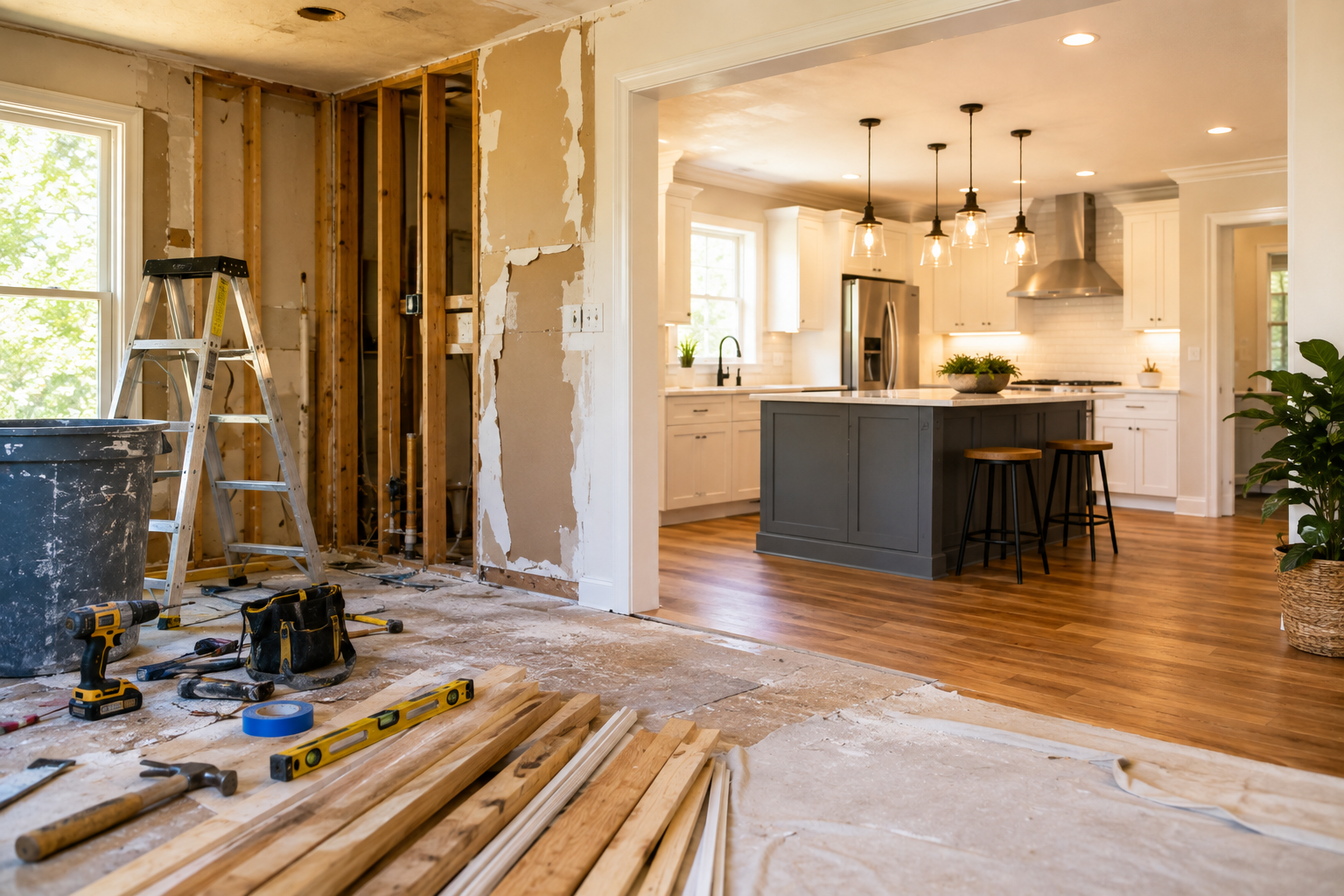
DIY remodeling can be a great way to improve your home while saving money, but even seemingly simple projects can become expensive when mistakes happen.
Poor planning, incorrect measurements, low-quality materials, and taking on work that requires professional expertise can quickly turn a weekend project into a much larger repair.
Before starting your next renovation, here are 10 common DIY remodeling mistakes homeowners should watch for.
1. Ignoring Permits and Building Codes
One of the biggest mistakes homeowners can make is assuming a DIY project does not need to follow local building requirements.
Depending on the project and location, permits may be required for electrical work, plumbing, structural changes, additions, decks, and other improvements.
Even when a permit isn't required, the work still needs to meet applicable safety and construction standards.
Unpermitted or improperly completed work can create problems later, especially when selling the property.
Before starting a major renovation, contact your local building department to determine which rules apply.
2. Choosing Materials Based Only on Price
Saving money is often one of the reasons homeowners choose DIY projects, but purchasing the least expensive materials isn't always the most economical choice.
Lower-quality flooring, fixtures, cabinetry, hardware, or other materials may wear out faster and require replacement sooner.
Instead, look for materials that provide a reasonable balance between durability, quality, and price.
Spending slightly more upfront can sometimes prevent additional repair and replacement costs later.
3. Underestimating How Long the Project Will Take
Home improvement projects often take longer than expected.
Delays can happen because materials arrive late, unexpected problems appear behind walls, or certain steps require more time than anticipated.
Rushing to meet an unrealistic deadline can also lead to mistakes.
Create a detailed plan before beginning, break the project into individual stages, and leave extra time for unexpected complications.
Ordering important materials before demolition begins can also help prevent your renovation from coming to a standstill.
4. Taking On Work Beyond Your Skill Level
Some home improvements are perfectly suited for DIY work.
Painting, replacing cabinet hardware, installing simple shelving, or making cosmetic updates may be manageable for many homeowners.
Electrical systems, major plumbing changes, structural framing, waterproofing, and HVAC work are very different.
Trying to learn highly specialized work during a major renovation can create safety issues and may ultimately cost more if a professional has to repair the original work.
Knowing when to call an experienced contractor is an important part of successful DIY remodeling.
5. Hiring an Unlicensed Contractor to Save Money
Hiring someone simply because they offer the lowest price can create problems if they do not have the appropriate licensing or qualifications for the job.
Improper work may need to be repaired or completely replaced later.
When professional help is necessary, homeowners should research contractors carefully, verify applicable licensing requirements, ask for references, review previous work, and understand the scope of the project before signing an agreement.
6. Starting Before the Project Is Fully Planned
Demolition should not be the first step in your remodeling plan.
Before construction starts, determine what materials, fixtures, cabinets, flooring, tile, appliances, and finishes will be used.
Product availability can also affect the schedule. Custom items and certain building materials may take weeks to arrive.
Planning these details in advance can reduce unexpected costs, change orders, delays, and wasted materials.
It is also smart to maintain a financial cushion for unexpected problems that may appear once construction begins.
7. Forgetting About Space Planning
A renovation can look great on paper but function poorly once completed if dimensions and clearances aren't properly considered.
Doors can collide, cabinets may interfere with appliances, walkways can become too narrow, and bathroom fixtures may not have enough clearance.
Creating accurate measurements and scaled plans before construction begins can reveal many of these problems early.
It's much easier to move something on a drawing than after the walls, cabinets, or flooring have already been installed.
8. Expecting the Project to Look Like a TV Renovation
Home improvement shows can make remodeling appear fast and straightforward.
Real renovations are usually much less predictable.
Unexpected structural conditions, delayed materials, additional repairs, permitting requirements, and other complications can change both the timeline and budget.
Approach a DIY project with realistic expectations and enough flexibility to deal with issues that were impossible to see before construction started.
9. Measuring Incorrectly
A small measurement error can become an expensive problem.
Incorrect measurements can result in windows that don't fit, countertops that are the wrong size, flooring shortages, improperly positioned plumbing fixtures, or cabinets that cannot be installed as planned.
Measure carefully and confirm important dimensions before ordering materials or making permanent cuts.
For major or custom components, getting a second measurement or professional verification can be worthwhile.
10. Skipping Proper Bathroom Waterproofing
Bathrooms require more than attractive tile and fixtures.
Areas exposed to moisture need an effective waterproofing system underneath the finished surfaces.
Improper waterproofing can allow moisture to enter walls, flooring, and structural components, potentially leading to mold, rot, and expensive repairs.
Because water damage can spread beyond the bathroom itself, waterproofing is an area where following the correct installation process—or hiring someone qualified—is especially important.
The Bottom Line
DIY remodeling can save money and make improving your home more rewarding, but preparation matters.
Understand permit requirements, plan the entire project before demolition, use appropriate materials, double-check measurements, and recognize when a job requires professional expertise.
Taking extra time at the beginning of a renovation can help prevent mistakes that are much more expensive and difficult to correct later.