Buying New Construction as a First-Time Homebuyer: What You Need to Know
Thinking about buying a brand-new home for your first purchase? Learn how new construction differs from buying an existing home, what costs to expect, how builder contracts work, and what to consider before signing.
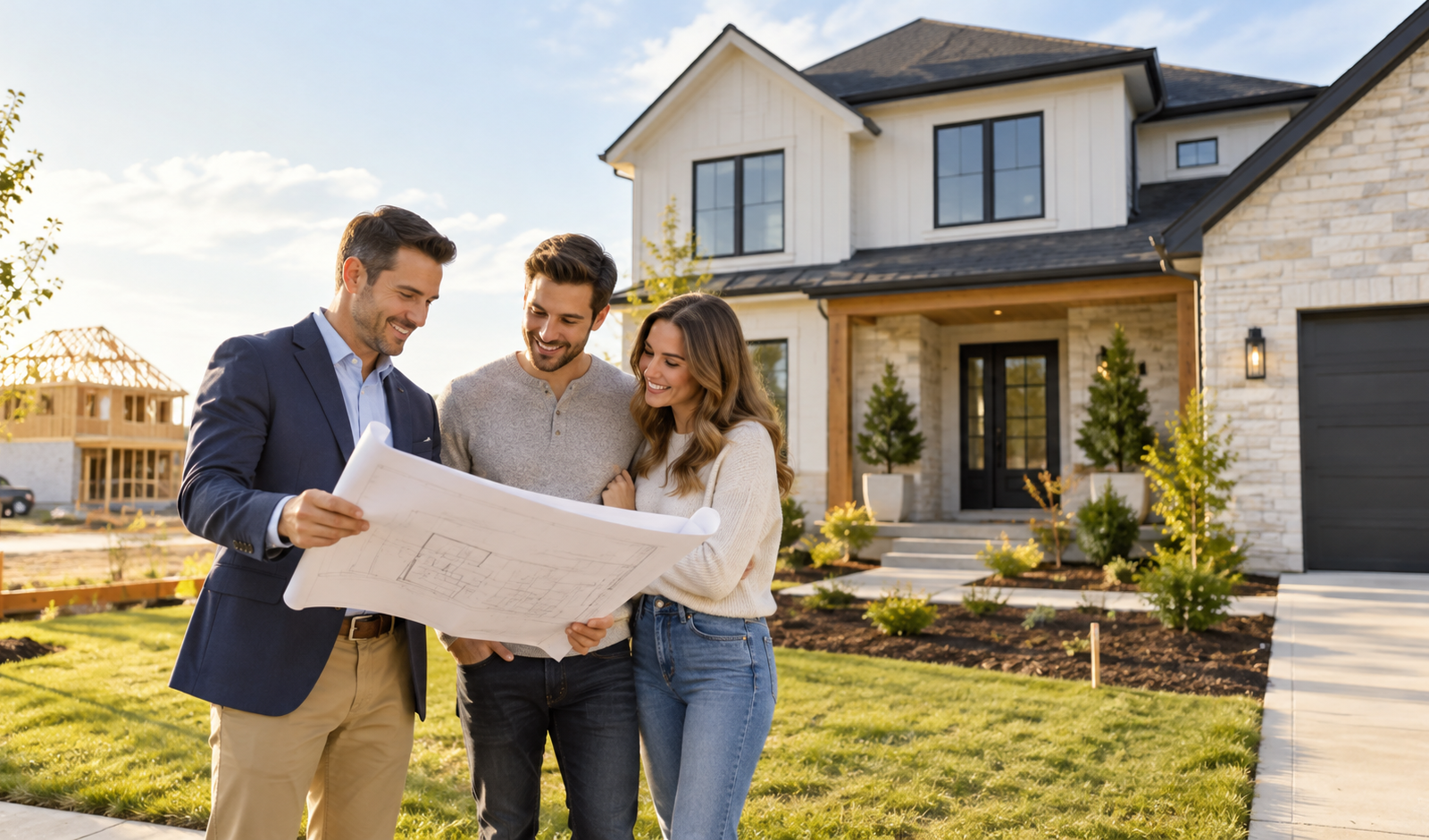
Buying New Construction as a First-Time Homebuyer
Buying your first home is a major milestone, and for some buyers, new construction can be especially appealing. A brand-new home may offer modern finishes, newer systems, customization options, and the opportunity to be the first person to live in the property.
But buying new construction is not exactly the same as purchasing an existing home.
Depending on the property, you could be purchasing a completed spec home, selecting a home that is still being built in a planned community, or building a custom home from the ground up. Each option can come with different timelines, costs, financing requirements, and decisions.
Before you walk into a model home or choose a floor plan, it helps to understand how the process works.
New Construction vs. an Existing Home
An existing home has typically been previously owned and occupied, while a new construction home is newly built and purchased by its first owner.
Existing homes may offer more established neighborhoods, mature landscaping, and potentially more options in a particular location. Depending on the market and property, they may also cost less than comparable new construction.
New construction, on the other hand, can offer something existing homes often cannot: the ability to choose certain features before the home is completed.
Depending on the builder and stage of construction, buyers may be able to select flooring, cabinets, countertops, appliances, fixtures, paint colors, or even structural features.
The tradeoff is that there may be more decisions to make and additional costs beyond the builder’s advertised starting price.
Know What Type of New Construction You’re Buying
Not every new home purchase works the same way.
Spec home: A home that is typically built or nearly completed before a specific buyer purchases it. Most major design decisions have already been made, which can make the purchase process more similar to buying an existing home.
Planned community home: A home in a development where buyers may be able to choose from several floor plans, lots, and upgrade packages depending on how early they enter the construction process.
Custom home: A home that generally gives the buyer significantly more control over the design, layout, materials, and finishes, but can also involve more decisions, a longer timeline, and a more complicated construction process.
Understanding which type of new construction you’re considering will help you set realistic expectations from the beginning.
Understand Who the Builder’s Sales Representative Works For
One of the most important things first-time buyers should understand is that the sales representative at a new construction community represents the builder.
They can answer questions about available homes, floor plans, lots, pricing, upgrades, and the community, but they are working on behalf of the builder.
A buyer can also have their own real estate agent to help them understand the transaction, communicate with the builder, review available options, and navigate the purchasing process.
If you plan to work with an agent, it’s a good idea to discuss that before your first visit to a new construction community because builder policies regarding buyer representation can vary.
Look Beyond the Advertised Base Price
That beautiful sign advertising homes “starting from” a certain price usually refers to the base model.
The final price can increase depending on the lot, floor plan, structural options, design selections, and upgrades you choose.
Potential additional costs may include lot premiums, flooring upgrades, countertops, cabinet upgrades, appliances, lighting packages, landscaping, window treatments, additional electrical features, structural changes, and outdoor living features.
Before signing a contract, ask the builder exactly what comes standard with the home and what is considered an upgrade.
That makes it much easier to compare the true cost of different homes instead of comparing base prices alone.
Set Your Budget Before You Visit the Design Center
Design centers can be exciting. They can also make it very easy to spend more than you originally planned.
Before choosing finishes and upgrades, establish a realistic total budget for the home.
Your budget should account for more than the purchase price. Consider your down payment, closing costs, monthly mortgage payment, homeowners insurance, property taxes, homeowners association fees if applicable, and other costs of homeownership.
Then decide how much additional money you are comfortable spending on upgrades.
Having that number in mind before choosing finishes can help prevent small upgrades from turning into a much larger increase in the final purchase price.
Decide Which Upgrades Are Worth Doing During Construction
Not every builder upgrade is equally important.
A useful way to evaluate upgrades is to ask: How difficult or expensive would this be to change later?
Structural changes are often much easier to complete during construction. Examples might include changing a room layout, adding windows, extending a garage, relocating plumbing, adding electrical outlets, or modifying other features hidden behind walls.
Cosmetic upgrades such as light fixtures, cabinet hardware, paint, and certain finishes may be easier to change after you own the home.
Instead of upgrading everything, prioritize the features that will have the biggest impact on how you use the property.
Research the Builder
The model home is designed to make a great first impression, but it shouldn’t be the only thing you evaluate.
Research the builder before committing to a home.
Look into completed communities and projects, buyer reviews, warranty information, construction practices, and what previous homeowners have experienced.
Ask questions about how warranty requests are handled and what coverage is included after closing.
If possible, you may also want to drive through older communities built by the same company. Seeing homes several years after construction can provide a different perspective than seeing a brand-new model.
Expect the Construction Timeline to Change
If you’re purchasing a home that has not been completed, keep some flexibility in your moving plans.
Construction timelines can change because of permitting, inspections, material availability, labor schedules, weather, or other construction-related issues.
A projected completion date is helpful for planning, but buyers should understand that it may move.
That can become especially important if you are ending a lease, selling another property, arranging movers, or coordinating another major life event around your expected closing date.
Consider an Independent Home Inspection
A brand-new home does not automatically mean a perfect home.
Construction involves many different contractors, materials, systems, and inspections. Issues can still happen.
Depending on the property and stage of construction, buyers may choose to have independent inspections performed before closing.
An inspector can evaluate the home from the buyer’s perspective and identify items that may need additional attention.
Ask your real estate professional and inspector about the appropriate inspection opportunities for the particular new construction property you’re considering.
Understand Your Financing Options
How you finance a new construction home depends largely on whether the home is already completed or still needs to be built.
If the property is completed or expected to be completed before closing, buyers may be able to use a traditional mortgage similar to the financing used for an existing home.
Building from the ground up may require specialized construction financing.
Common options include:
Construction loan: A short-term loan designed to help finance the building process. Depending on the program, it may cover costs such as land, permits, labor, materials, appliances, and other construction expenses.
Construction-to-permanent loan: A loan that finances construction and then converts into longer-term mortgage financing after the home is completed.
Loan availability, down payment requirements, qualification standards, and terms vary by lender and program, so buyers should speak with a qualified lender about the financing structure that applies to their purchase.
Don’t Forget About Future Expenses
A new home may have brand-new systems and appliances, but that doesn’t mean homeownership becomes maintenance-free.
You’ll still need to plan for routine maintenance and future expenses.
Depending on what the builder includes, you may also need to purchase or complete items such as window coverings, landscaping, appliances, ceiling fans, fencing, storage systems, outdoor improvements, and furniture after moving in.
Knowing what is and isn’t included before closing can help you avoid unexpected expenses immediately after moving into the home.
Ask About Builder Incentives
Builders may sometimes offer incentives to encourage buyers to purchase particular homes, close within a certain period, or use an affiliated lender or title company.
Depending on the builder and market, incentives could involve closing-cost assistance, financing incentives, upgrades, or other concessions.
An incentive can be valuable, but it should be evaluated as part of the entire transaction.
Compare the total cost, financing terms, home price, and conditions attached to the incentive rather than focusing only on the advertised benefit.
New Construction Can Be a Great First Home — If You Understand the Process
For the right buyer, new construction can offer a combination of modern design, newer systems, customization, and the experience of owning a home that no one else has lived in.
The key is knowing what you’re buying.
Understand the builder’s process, determine what is included in the base price, budget carefully for upgrades, research the builder, review your financing options, and leave flexibility in your construction timeline.
Most importantly, remember that buying directly from a builder is still a real estate transaction.
Having someone on your side who understands the process can help you ask better questions and make more informed decisions from your first community visit through closing.
Kap Rate Living helps buyers navigate both existing homes and new construction, from the initial home search and builder visits through negotiations, inspections, financing, and closing.
Sources
Redfin. “Buying a New Build? What to Know as a First-Time Homebuyer.” September 21, 2026. https://www.redfin.com/blog/buying-new-build-first-time-homebuyer/
Redfin. “Buying New Construction vs. an Existing Home.” https://www.redfin.com/blog/buying-new-construction-vs-existing-home/
Redfin. “Buying a New Construction Home.” https://www.redfin.com/blog/buying-a-new-construction-home/
Redfin. “New Construction Home Building Process.” https://www.redfin.com/blog/building-a-house-guide/
Redfin. “New Construction Upgrades.” https://www.redfin.com/blog/new-construction-upgrades/