Buying a Home in Florida? Build an Insurance-and-Condition File Before You Offer
A lower asking price is only part of the decision. Compare insurance quotes, roof information, flood questions, and repair needs before choosing your offer.
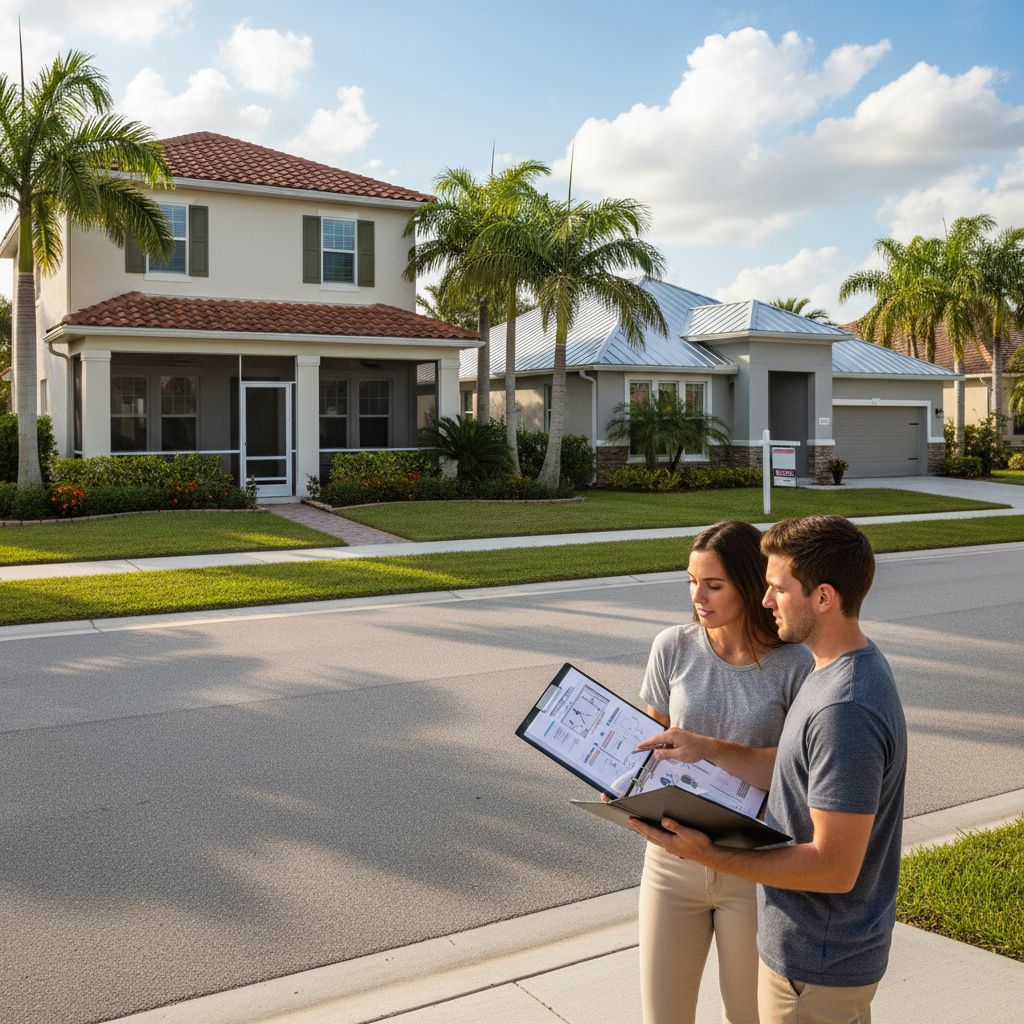
Start with the address, not the discount
When buying a home in Florida, a price reduction can move a property onto your shortlist. Before deciding what to offer, however, build a file that connects its asking price with its insurance questions and physical condition.
Zillow’s Florida page, updated October 31, 2026, reports an average home value of $375,056, down 0.5% over the preceding year. That is statewide context—not an insurance estimate or a valuation of the house you want. (Zillow)
The useful next step is not predicting another statewide decline. It is finding out whether a particular home works for your budget. Use the following file to compare properties consistently, separating confirmed information from questions that still need answers.
Create a file with evidence, not assumptions
For each shortlisted property, save the address, current asking price, available disclosures, insurance correspondence, roof records, and inspection information. Label each item with its date and who supplied it.
Keep a separate list of unresolved questions. A missing roof record should remain an open question—not become an assumption that the roof is new because the listing looks freshly renovated.
This approach puts practical buying advice into a usable format. An October 22, 2026, Florida buying guide recommends evaluating roof condition, drainage, heating and cooling equipment, signs of water intrusion, and flood risk rather than judging a purchase by its price reduction alone. (CB Isaac Realty)
Gather roof information before relying on a premium estimate
Ask for available documentation of roof age, replacement work, and repairs. Share it with the insurance professional preparing your quote, and ask what additional information is needed.
The supplied Florida buyer video, uploaded February 21, 2026, identifies roof age and insurer requirements as issues buyers should investigate early. Treat that as a prompt for property-specific verification, not a universal rule about which roofs qualify. (Florida buyer video)
Useful questions include:
- What roof information was used for this estimate?
- Is additional documentation or an inspection needed?
- What remains unresolved before coverage can be confirmed?
- Should any proposed roof work be discussed with the insurer before proceeding?
Keep flood questions separate from general insurance questions
Include a flood-map review in your file, but do not stop there. Ask the lender to confirm the requirements for the property and your proposed financing. Ask an insurance professional to explain available coverage, exclusions, deductibles, and pricing.
The February 2026 video recommends reviewing FEMA flood information and obtaining address-specific insurance quotes. Its broader lesson is useful: review the location information and the cost information together. Its categorical statements about lender requirements should not replace confirmation from your own lender. (Florida buyer video)
Record what each professional has confirmed. If an answer is preliminary, label it that way. Avoid turning an informal conversation into a settled budget item.
Compare homes using the same questions
Instead of creating a shortlist ranked only by asking price, give each property the same review:
- Insurance: Have you received a written quote, and what assumptions remain?
- Condition: What do available records show, and what still needs inspection?
- Repairs: Which concerns need a contractor’s assessment before you choose an offer?
- Financing: Has the lender reviewed the relevant insurance information?
- Timing: Can the remaining checks fit the proposed transaction schedule?
Do not skip a professional inspection simply because the home appears well maintained. The October buying guide recommends inspections and notes that additional evaluations may be appropriate for a home’s age, location, and features. (CB Isaac Realty)
Let the file guide the offer conversation
Once the information is organized, decide what matters most: the purchase price, a repair request, an allowable closing-cost contribution, or more workable timing. Seller contributions must meet applicable loan requirements, and a seller does not have to agree to them. (CB Isaac Realty, October 22, 2026)
For sellers, the same checklist offers a preparation exercise: gather available roof and repair records, and be ready to answer property-specific questions without promising what a buyer’s insurer will approve.
Ready to turn your shortlist into a thoughtful buying conversation? Connect with Kap Rate Living. Bring your priorities and unresolved questions—not just a target offer price. The goal is a decision grounded in the home itself, rather than confidence borrowed from a discount.